Last updated November 23, 2026
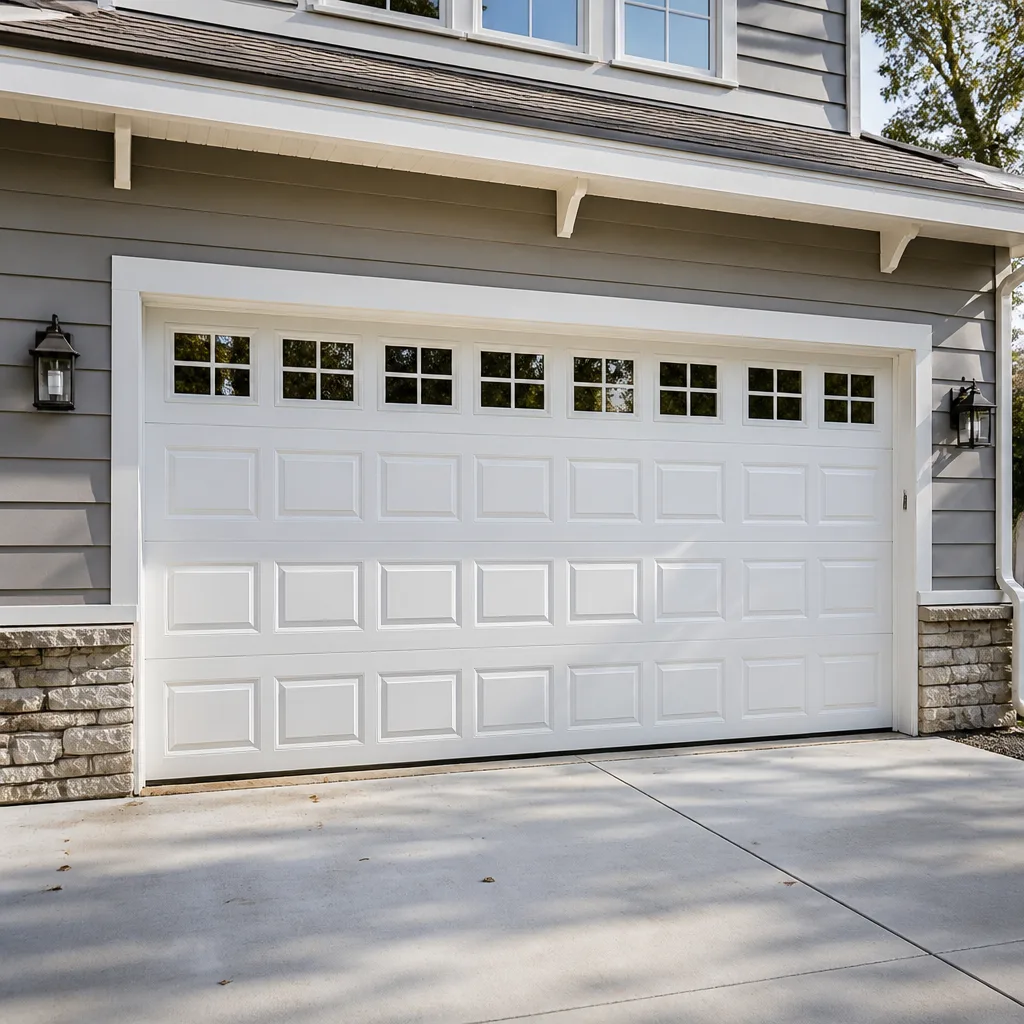 Raised-panel steel
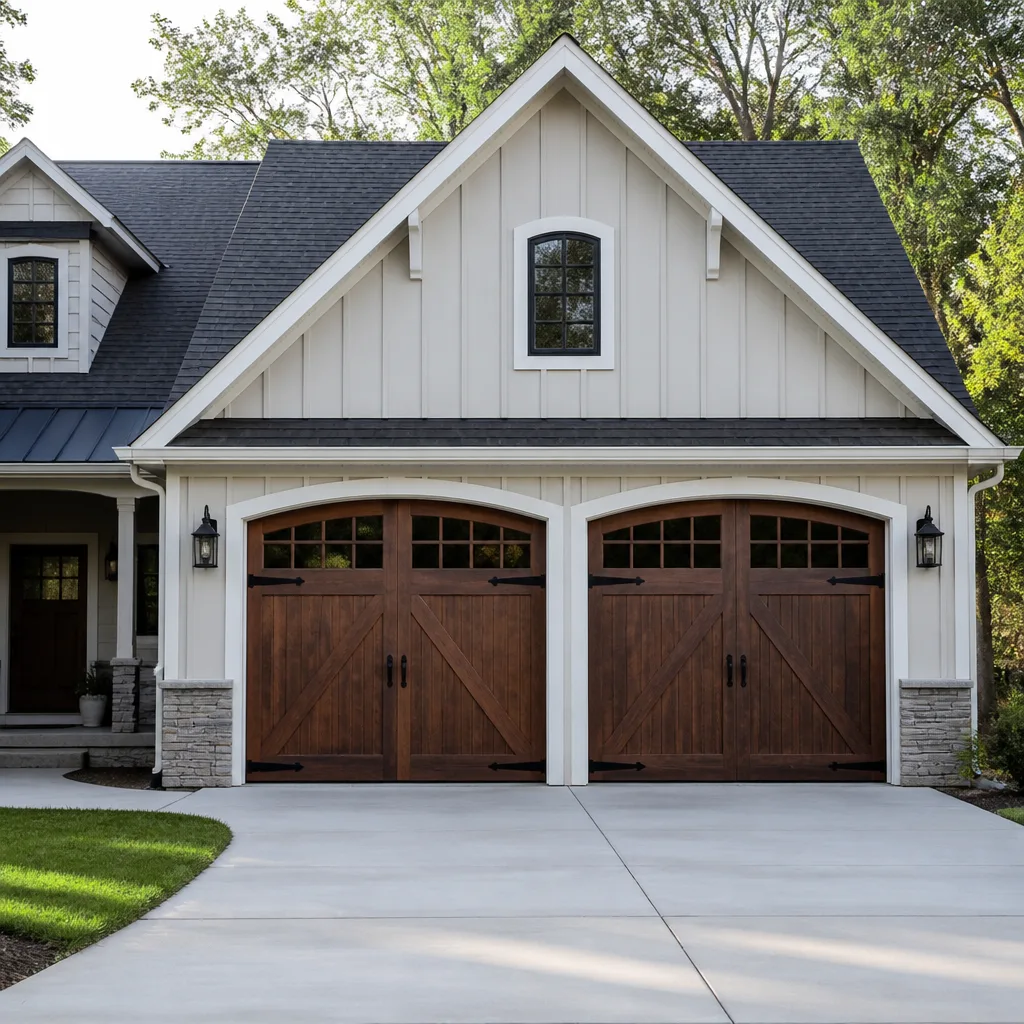 Carriage house
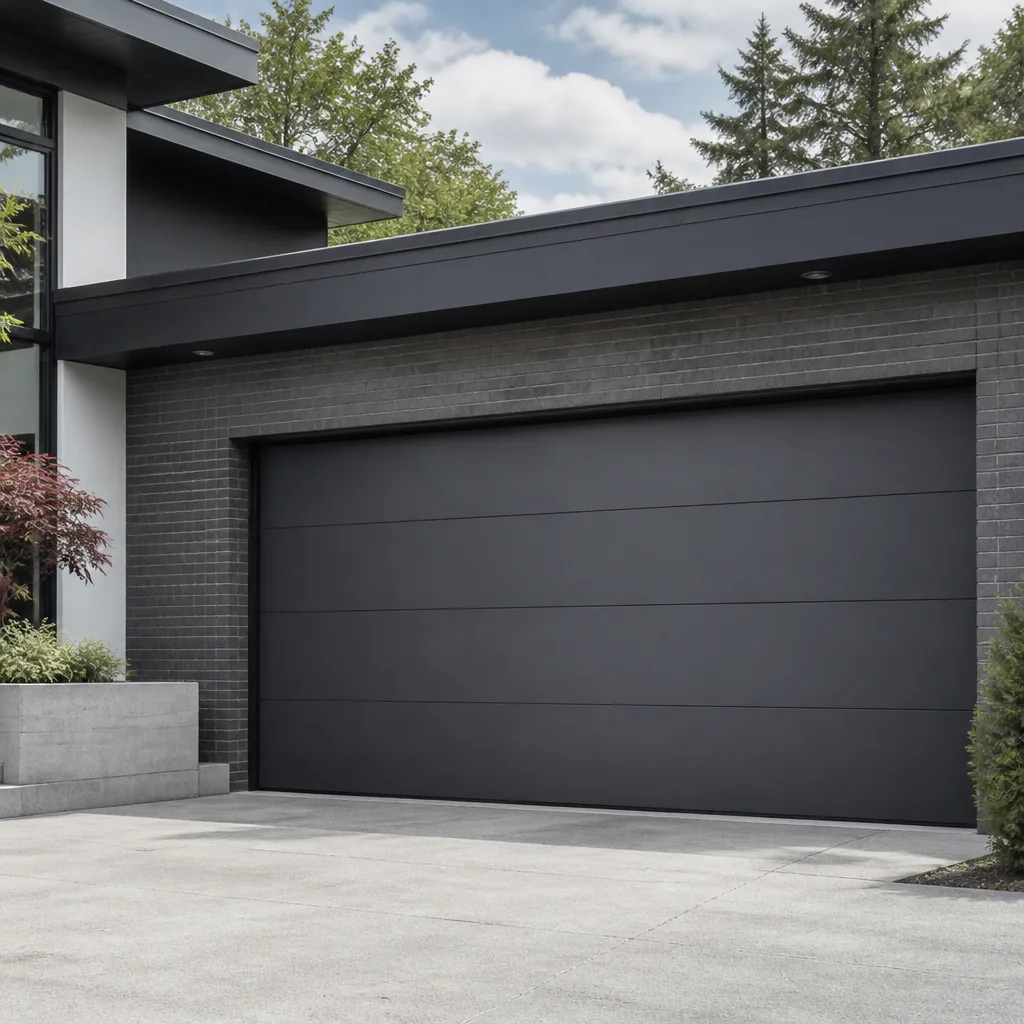 Modern flush
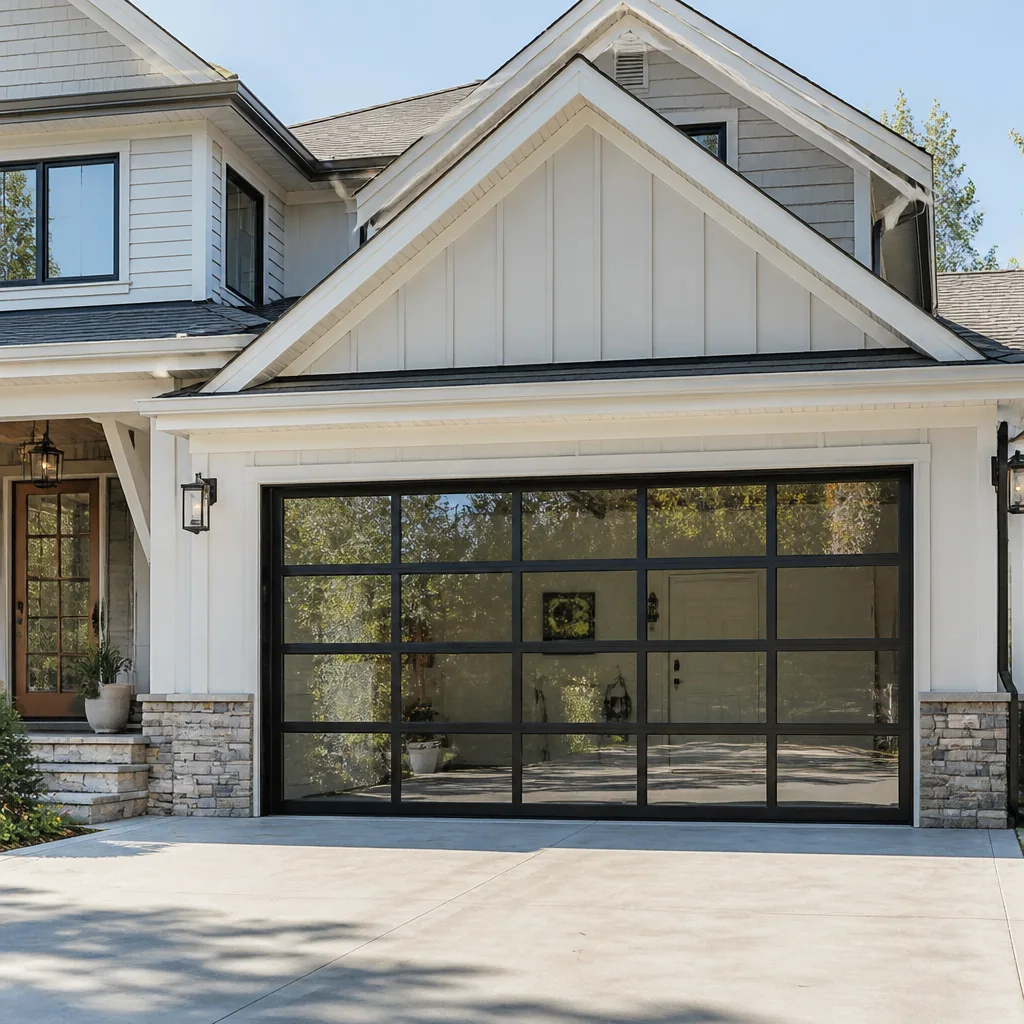 Full-view glass
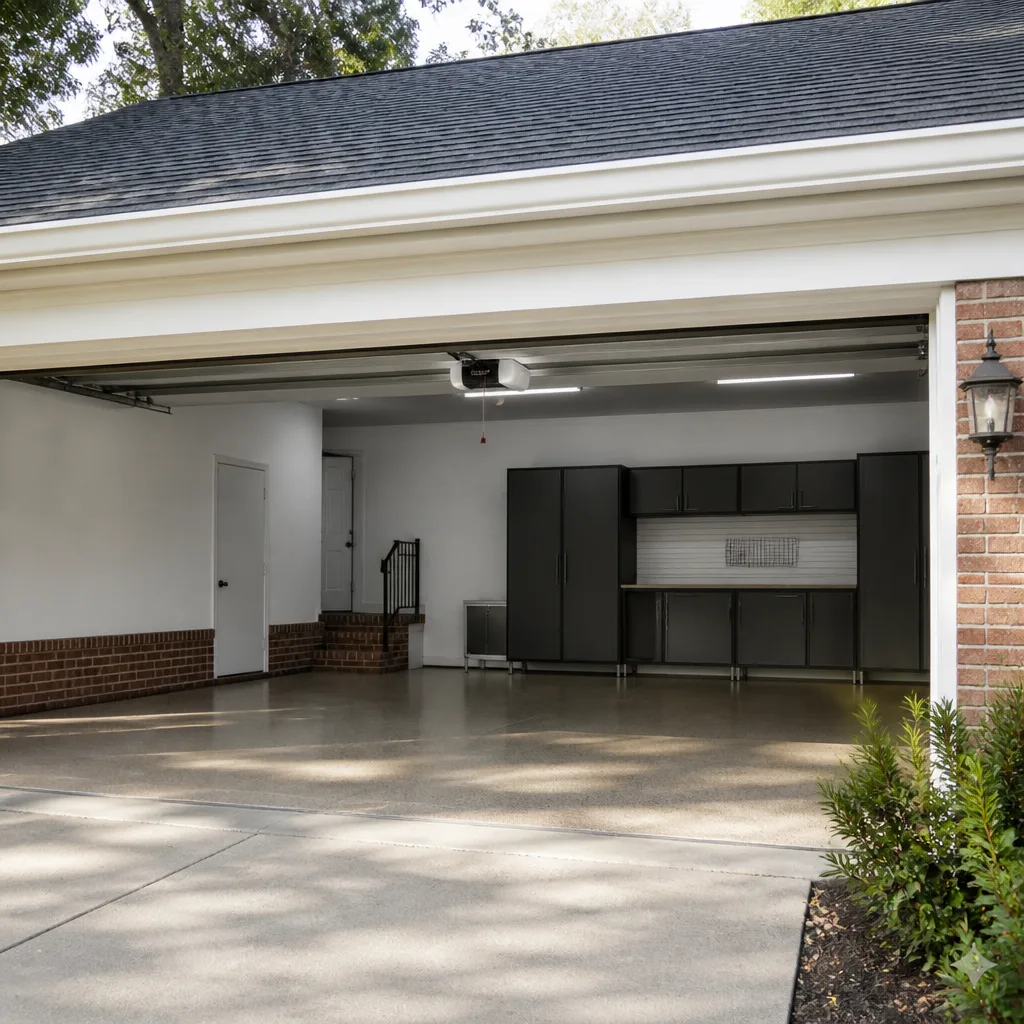 LiftMaster openers
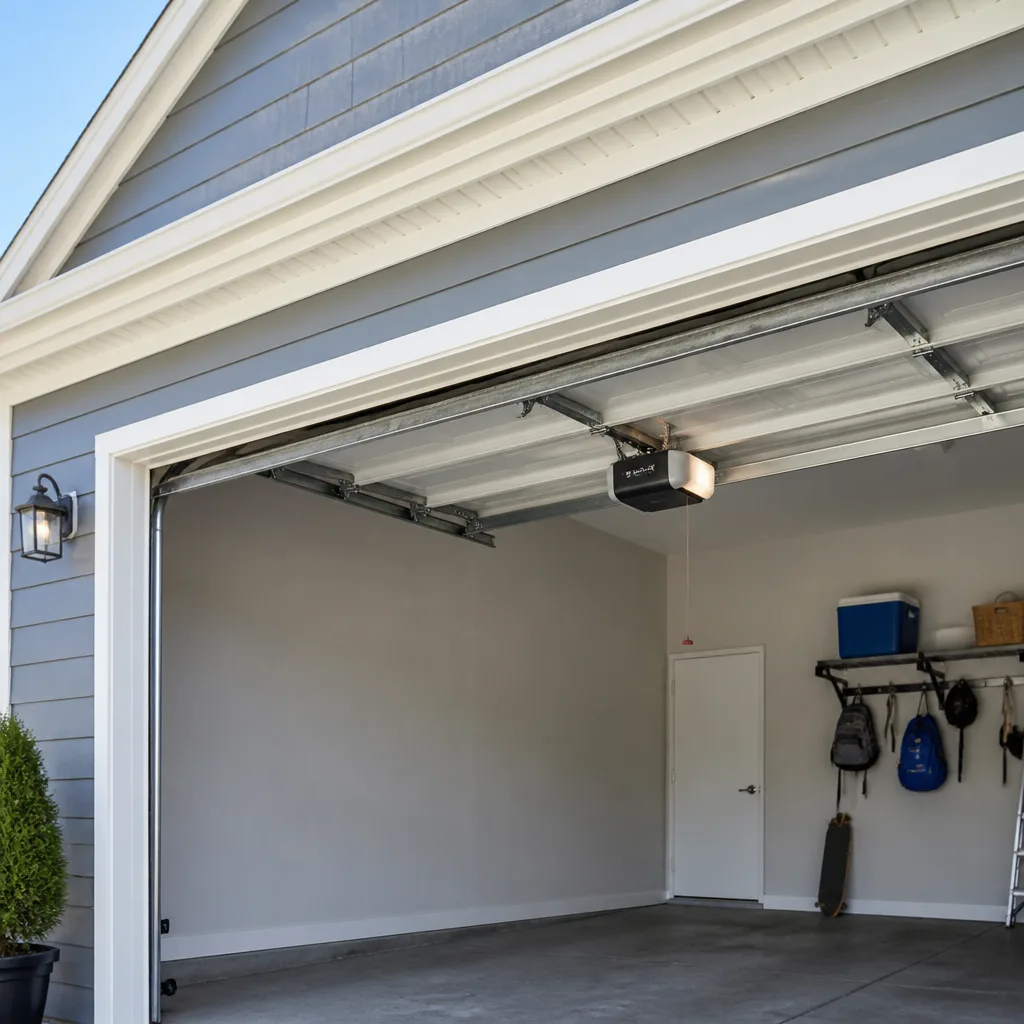 Chamberlain openers
Full 25-point door and opener safety check with every visit - springs, cables, rollers, tracks, and your LiftMaster or Chamberlain opener included
You get a price before we start. It does not change when the pro arrives.
Get your free estimateThe Complete Guide to Garage Doors in Westminster
Most garage door advice you’ll read was written for a flat, humid suburb at sea level. Westminster isn’t that place. We sit at 5,374 feet on the Front Range, where intense ultraviolet light and sharp temperature swings work on weatherstripping, panel finishes and spring tension in ways a generic guide never accounts for. That gap matters. A door that behaves fine in a mild climate can develop a draft, a squeal or a sagging panel here long before its manufacturer’s schedule says it should. This guide covers how a garage door actually works as one connected system, what Westminster’s climate and HOA landscape demand of it, and how to decide between repairing and replacing. Every section stands on its own, so you can read straight through or jump to the part you need.
Quick Answer
A garage door in Westminster is a connected system of panels, tracks, springs, cables, rollers and an opener, and it needs to be maintained and repaired as a whole rather than as isolated parts. Because of the city’s high altitude and UV exposure, weatherseal and finishes wear faster here than sea-level product specs assume, so local homeowners should inspect seals and hardware more often than a manufacturer’s general timeline suggests. Choosing the right door and keeping it running comes down to matching the system to Westminster’s climate, your HOA’s rules and your home’s value.
Styles & brands we work with
- Raised-panel steel
- Carriage house
- Modern flush
- Full-view glass
- LiftMaster openers
- Chamberlain openers
Table of Contents
- How a Garage Door Works as One System
- How Westminster’s Altitude and UV Affect Your Door
- HOA Compliance in Westminster’s Subdivisions
- Brands, Parts and Why Some Repairs Take Days
- Repair or Replace? A Decision Framework
- Opener Basics Every Westminster Homeowner Should Know
- A Seasonal Maintenance Routine for the Front Range
- Safety: What You Should Never Touch Yourself
- Common Mistakes to Avoid
- When to Call a Professional
- Frequently Asked Questions
How a Garage Door Works as One System
A garage door isn’t a collection of separate parts that fail independently. It’s a balanced machine, and every component depends on the others. The opener doesn’t lift the door; the springs do. The opener’s job is to guide a door that the springs have already made nearly weightless. When people treat a door as isolated parts, they fix the wrong thing and the problem comes back.
Here’s how the pieces interact:
- Panels form the door’s face and carry its weight. A dented or warped panel changes how the door sits in the opening, which stresses the tracks.
- Springs (torsion or extension) counterbalance the door’s weight so a person, or an opener, can move it. A tired spring forces the opener to work harder.
- Cables connect the springs to the door’s bottom corners and transfer that counterbalance. They’re under extreme tension whenever the door is closed.
- Tracks and rollers keep the door traveling in a straight, quiet path. A bent track drags on a roller, which then strains the opener.
- The opener drives the door along the track and stops it at the right points. It’s the most visible part, but it’s rarely the root cause of a heavy or uneven door.
- Weatherseal along the bottom and sides closes the gap against wind, dust and pests. When it hardens, the seal stops sealing.
The practical lesson: a door that’s suddenly sluggish, noisy or uneven usually has a balance problem somewhere in the springs, cables or tracks, not a dead opener. Testing the balance before blaming the motor is the first thing a specialist checks. When the diagnosis points to the door itself rather than the motor, garage door repair addresses the tracks, rollers, cables and panels as one job instead of swapping parts and hoping. Getting the whole system evaluated once saves you from chasing the same symptom twice.
How Westminster’s Altitude and UV Affect Your Door
Westminster sits at 5,374 feet, and at that elevation the sun is stronger and the air is thinner. That combination does real work on a garage door. UV exposure degrades weatherstripping faster than sea-level product specs assume, and homeowners often don’t find out until the gap under the door lets in a January wind chill. This is the single biggest reason a maintenance schedule written for a coastal city doesn’t fit here.
Three things happen at altitude that a generic guide skips:
- Weatherseal hardens and cracks sooner. The rubber or vinyl bottom seal takes direct sun on a south- or west-facing door. Once it stiffens, it stops flexing against the floor, and you get drafts, dust and snow melt creeping in.
- Panel finishes fade and chalk. Painted steel and wood-grain finishes take more UV intensity here. Fading is cosmetic, but chalking and micro-cracking can let moisture into seams over time.
- Temperature swings stress the whole mechanism. Front Range days can swing hard between afternoon warmth and cold nights. Metal expands and contracts with that swing, which loosens fasteners and works on spring tension more than a stable climate would.
The response is straightforward. Inspect the bottom seal and side seals more often than a general timeline suggests, and replace them when they feel stiff rather than waiting for them to tear. Wipe down and touch up finish on sun-facing panels. Check hinge and roller fasteners for looseness a couple times a year. None of this is complicated, but it’s the difference between a door that seals smoothly through a Westminster winter and one that lets the cold in. A door that’s correctly balanced and sealed handles the altitude far better than one left to drift.
HOA Compliance in Westminster’s Subdivisions
Westminster has a lot of planned subdivisions, and many of them carry architectural review requirements. If you replace a door, the style, color and window pattern often need approval before the door goes up. The homeowners who breeze through review are the ones who check the rules first, not the ones who pick a door and then ask for forgiveness.
Some door styles tend to sail through approval, and others get flagged. In general, the closer your new door matches the look of the neighborhood’s original doors, the smoother the process. Traditional raised-panel steel doors in neutral colors, carriage-house styles that already appear in the subdivision, and doors that match the home’s trim color are usually the easy approvals. The ones that draw flags are high-contrast colors, unusual window layouts, and contemporary styles that stand out sharply from the surrounding homes.
Before you order anything, do these steps:
- Ask your HOA for its architectural guidelines and any approved color or style list.
- Find out what the submittal process requires: photos, a product spec sheet, a color sample.
- Get the door model and color in writing so the approval matches what actually gets installed.
- Confirm whether the city also requires a permit for the work by calling the building department.
Because HOA rules vary subdivision by subdivision, approval specs aren’t something a general article can settle for your street. Read your own documents and submit before installation day, not after. A door that’s ordered, delivered and then rejected is an expensive detour nobody wants.
Brands, Parts and Why Some Repairs Take Days
The Westminster and Broomfield corridor is well served for the biggest names in the trade, which is why some repairs finish in a single visit and others stretch across several. The difference usually comes down to whether the technician’s parts inventory covers your specific model. We work regularly with products from Raynor, LiftMaster, Chamberlain and Genie, and those are the systems we can usually diagnose and resolve without ordering parts and coming back.
Here’s why the timeline varies:
- Common brands and models: parts are widely available, and a technician who carries inventory can often finish in one visit.
- Less common models or older units: a specific gear, bracket or logic board may need to be ordered, which adds days.
- Matched components: a spring pair or a specific roller set has to be right for the door’s weight and model, so guessing isn’t an option.
The practical takeaway is to know your brand and model before you call. The label on the opener and the door manufacturer’s stamp tell a technician a lot, and it helps set a realistic expectation for whether the job is a same-visit fix or a scheduled one. We also keep parts on hand for the major brands, which is what shortens return visits and gets more jobs done in one trip. When the work calls for a new opener or door, that’s a measured, quoted job rather than a same-day repair. If your opener is the failing piece, a specialist can handle garage door opener repair with the right parts for your brand. And when the door itself needs replacing rather than fixing, garage door installation covers the full job from measure to finish.
Repair or Replace? A Decision Framework
This is the question Westminster homeowners ask most, and there’s no single right answer for every door. The decision comes down to three things: the door’s age, the type of damage, and what the local resale market expects. Work through those three and the choice usually becomes obvious.
Door age. A door that’s been through many Front Range seasons has likely had seals, rollers and possibly springs replaced already. If the panels and structure are still sound, repair makes sense. If the door is beyond its useful life and parts are getting hard to source, replacement is the better long-term call.
Damage type.
- Cosmetic damage (scuffs, faded paint, small dents) is usually a repair, not a replacement.
- Structural damage (bent or cracked panels, a bowed section, a twisted door) often means replacement.
- Mechanical wear (springs, cables, rollers, tracks) is nearly always a repair.
Westminster resale expectations. A garage door is one of the most visible features of a home’s curb appeal, and buyers notice a tired or dented door. If you’re planning to sell, a clean, well-matched, HOA-compliant door reads as a well-kept home. If you plan to stay for years and the door is sound, repairing the worn parts is the sensible move.
A simple rule helps: if the cost of repairs is a large share of what a new door would cost, and the door is near the end of its life, replace it. If repairs are a fraction of replacement and the door is solid, repair it. Get a written estimate for both paths before you decide.
Opener Basics Every Westminster Homeowner Should Know
An opener is the part homeowners notice first and understand least. It doesn’t lift the door; it guides a door the springs have balanced. That single fact explains most “my opener is failing” calls, because the real problem is often a door that’s gotten heavy rather than a motor that’s died.
Here’s what to know:
- If the door is heavy by hand, the opener isn’t the problem. A door that won’t stay up when you lift it partway points to springs or balance.
- If the door moves a foot and stops, or reverses for no reason, the safety sensors or travel limits usually need attention.
- If the opener runs but the door doesn’t move, a stripped gear or a broken drive component is a likely cause.
- If the opener noises are new or loud, worn rollers, hinges or a loose chain are worth checking.
Modern openers from the major brands include safety reversing features and, on some models, smartphone controls. Those features depend on the door moving freely, so a balanced door keeps any opener working properly. When the motor itself is the failing part, or the unit is old enough that parts are hard to source, an opener repair or replacement with the correct model for your door resolves it. Because the opener interacts with every other part, each repair job benefits from the same single-trade focus a dedicated specialist brings. The same is true for the motor-driven gate of a home’s overall access, but here the whole job is a garage door system from start to finish.
A Seasonal Maintenance Routine for the Front Range
A little routine maintenance goes a long way in a climate with this much sun and swing. The goal isn’t to turn you into a technician; it’s to catch the small things before they become repairs. This routine takes a short while and works for any door.
- Check the weatherseal. Feel the bottom and side seals. If they’re stiff, cracked or pulling away, replace them. This is the most climate-sensitive part of the door.
- Test the balance. Disconnect the opener and lift the door about halfway by hand. A balanced door should hold roughly in place. If it drops or takes effort, the springs need attention.
- Look at the tracks and rollers. Tracks should be straight and clear. Worn rollers should move freely. Wipe tracks clean and apply a garage-door-specific lubricant, not grease.
- Check fasteners. With temperature swings loosening hinges and brackets, tighten anything that’s worked loose.
- Inspect the panels and finish. Look for cracks at the seams and touch up finish on sun-facing panels, especially on south- and west-facing doors.
- Test the safety reverse. Put an object in the door’s path and confirm the door reverses when it meets resistance. If it doesn’t, the opener or sensors need a look.
Do this at the start of the cold season and again when the heat arrives. Westminster’s swing between winter cold and summer sun is exactly what stresses seals, fasteners and hardware, so those two checks line up with the climate rather than an arbitrary calendar.
Safety: What You Should Never Touch Yourself
Garage doors are heavy, and a few of their parts are genuinely dangerous. The single most important safety rule: never try to remove or adjust the springs or cables yourself. Both are under extreme tension even when the door looks still, and both can release suddenly with serious injury. No repair job on a garage door is worth that risk. This is where a trained professional belongs.
Alongside that, a few things matter enough to state plainly:
- Don’t cut, loosen or tamper with the torsion or extension springs or their cables, even to “just take a look.”
- Don’t bypass the door’s safety reversing system or disable the sensors to make a door close.
- Don’t force a door that’s stuck or off-track. A bent track can drop the door.
- Don’t trust a door that’s been in an impact or a fall without a proper inspection.
What you can do safely is observe and report: note how the door behaves, listen for new noises, and watch the seal. If something looks wrong with the springs or cables, stop using the door and call a specialist. This is the part of the job we take most seriously, because a door that’s mishandled at home can cause real harm. If you’re unsure whether a problem is safe to ignore, it’s worth a call rather than a guess.
Common Mistakes to Avoid
- Blaming the opener for a heavy door. Most “opener failure” calls trace back to springs or balance. Diagnose the door before replacing the motor, or you’ll pay twice.
- Ignoring a hardened weatherseal. At Westminster’s elevation, the bottom seal tells you a lot about the door’s condition. Waiting until it tears means drafts and water in the meantime.
- Ordering a door before checking HOA rules. Subdivision approval is common here. A door delivered before approval can be an expensive problem.
- Using grease on tracks. Grease collects grit and gums up rollers. A proper garage-door lubricant is the right choice.
- Trying to adjust springs yourself. This is the most dangerous mistake on the list. Springs and cables are a professional job.
- Painting over failing finish on a sun-facing door. Fading is one thing, but chalking and micro-cracking need proper surface prep, not a quick coat.
- Letting a small imbalance run. A door that drags quietly wears out the opener and rollers. Catch it early and the repair stays small.
When to Call a Professional
Some problems are obvious, and some creep up slowly. Call a professional when any of these come up: the door won’t stay up or feels heavy by hand, a spring or cable looks loose or broken, the door is off its track, the opener reverses or stops for no clear reason, or a panel is cracked or bent. Those are signs something in the system is out of balance, and guessing at the cause usually costs more than an inspection.
We work exclusively on garage doors, so the inspection covers the whole system rather than one part in isolation. Westminster Garage Door Repair Co offers free estimates in Westminster. Call (888) 845-7027 to get a written price before any work begins, and we’ll tell you plainly what the job involves.
Frequently Asked Questions
Most garage door repairs in Westminster fall within a range that depends on what’s broken, and the written estimate sets the final price. Spring, cable, roller, track and opener repairs vary in scope, so a precise number comes from an inspection rather than a phone guess. Because altitude and temperature swings wear parts faster here, the wear pattern matters too. Call (888) 845-7027 for a free estimate and an upfront, agreed price before any work starts.
Many repairs can be handled in a single visit when the parts are on hand. Spring, cable, roller and opener repairs often resolve the same visit, while a specific part for an uncommon model may need ordering. Knowing your brand and model when you call speeds up the diagnosis. Call (888) 845-7027 and we’ll tell you what to expect for your job.
No. The written estimate we agree before work starts is the price. If we find something that changes the scope, we’ll walk you through it and get your agreement before doing anything different. That’s how a repair should work, and it’s worth confirming with any company you call. Call (888) 845-7027 for an upfront quote.
The local professionals we connect you with are licensed and insured as their state requires. Because a garage door system involves high-tension springs and heavy panels, working with a qualified tradesperson is the right call. We’re a dedicated garage door specialist, not a general home-services contractor. Call (888) 845-7027 for a free estimate.
At Westminster’s elevation, UV exposure degrades weatherstripping faster than sea-level product specs assume, so seals harden and crack sooner than a coastal timeline would suggest. South- and west-facing doors take the most sun and wear the fastest. Inspecting the seal more often and replacing it when it stiffens keeps the door sealed through winter. Call (888) 845-7027 if you’d like a seal checked and a price for replacement.
It depends on the door’s age, the type of damage, and what your neighborhood expects. Cosmetic damage and mechanical wear are usually repairs, while structural damage such as bent panels or a bowed section often points to replacement. If repair costs are a large share of a new door’s price and the door is near the end of its life, replacing makes more sense. Call (888) 845-7027 for a free written estimate on both paths so you can decide with real numbers.
The Bottom Line
A garage door in Westminster is one connected machine, not a set of parts, and the local climate asks more of it than a generic guide accounts for. The altitude and UV intensity wear seals and finishes faster, the temperature swings work on fasteners and springs, and HOA rules mean the door you choose has to be approved before it goes up. Know your brands, keep up a simple seasonal routine, never touch the springs yourself, and get a written price before work begins. Whether you’re deciding between repair and replacement or you need a door that’s failed today, a call settles it faster than a guess.
If your door needs attention, call Westminster Garage Door Repair Co at (888) 845-7027 for a free estimate in Westminster. We work exclusively on garage doors across repairs, opener service, springs, installation and parts, and the price is quoted and agreed before any work starts. Westminster Garage Door Repair Co – one call covers the whole system.
Written by the team at Westminster Garage Door Repair Co.
See the difference
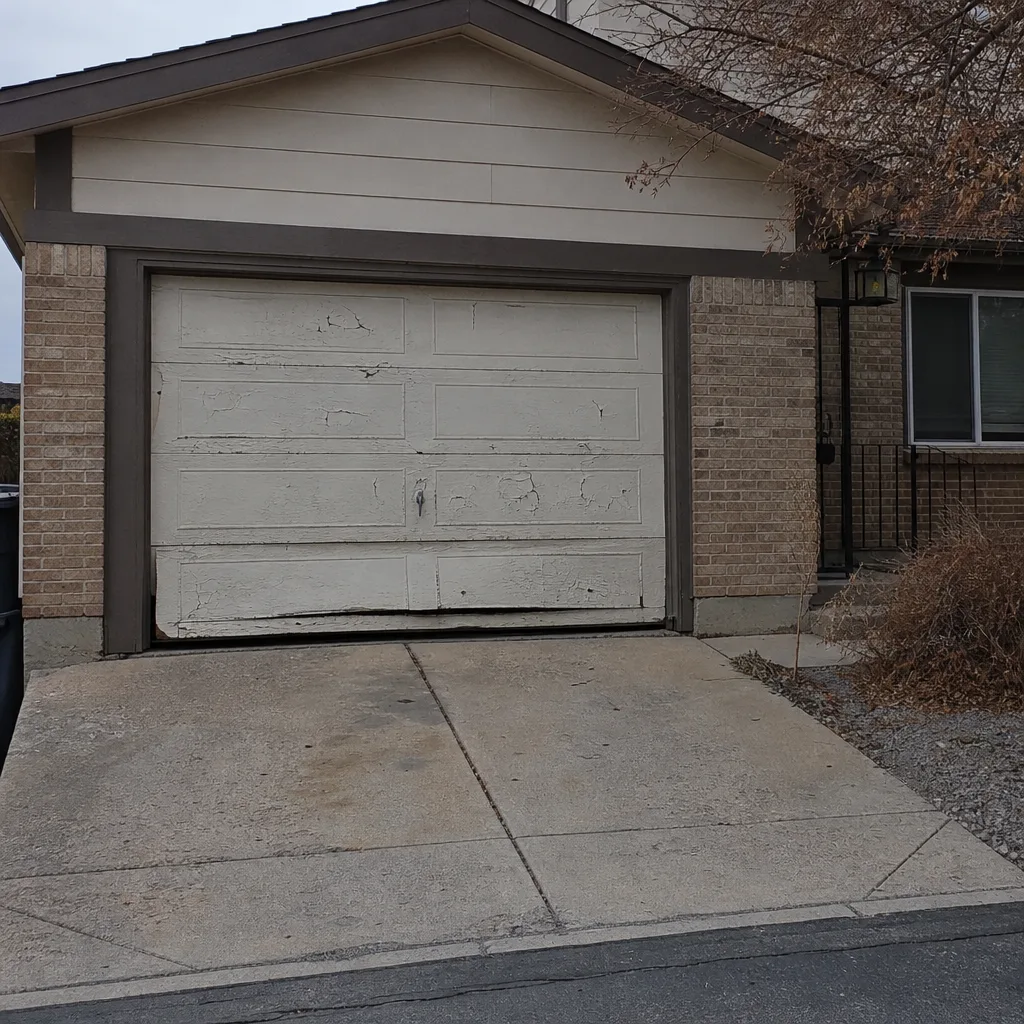 Before
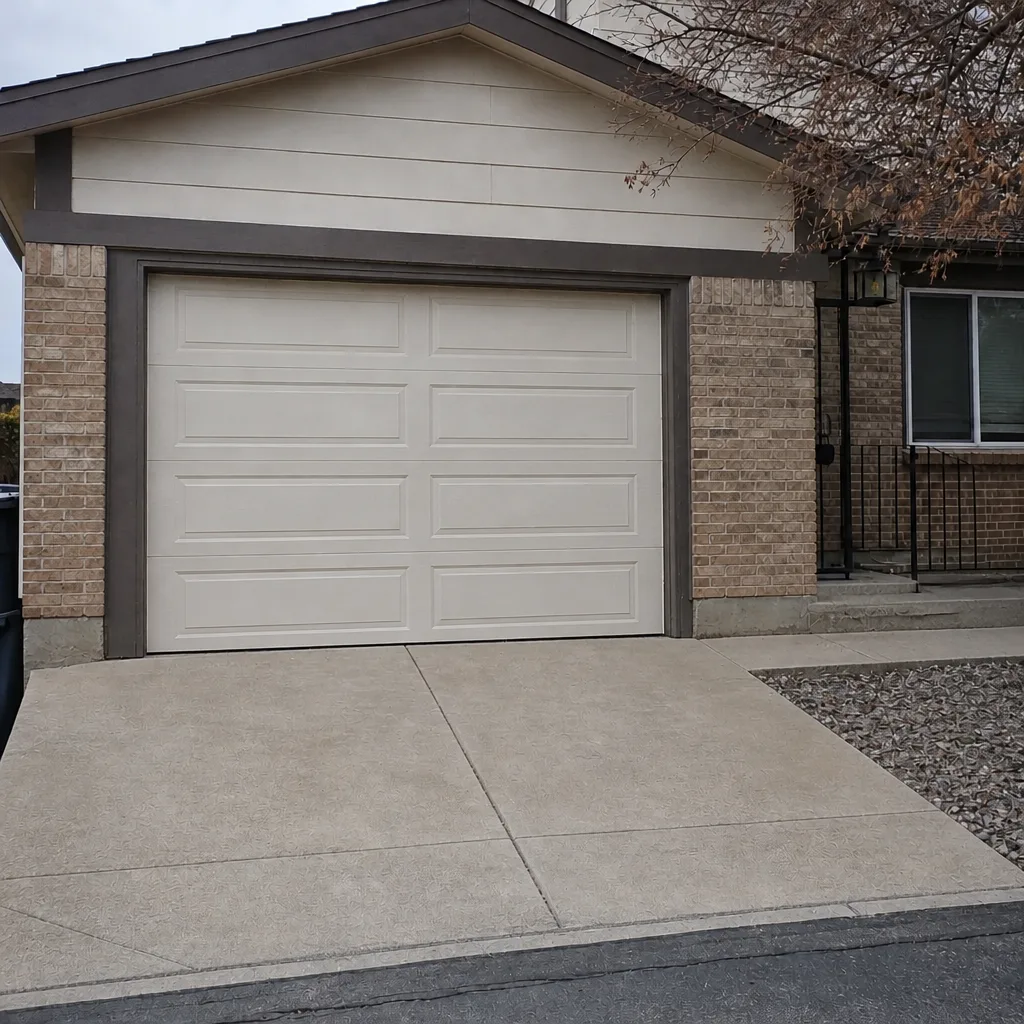 After
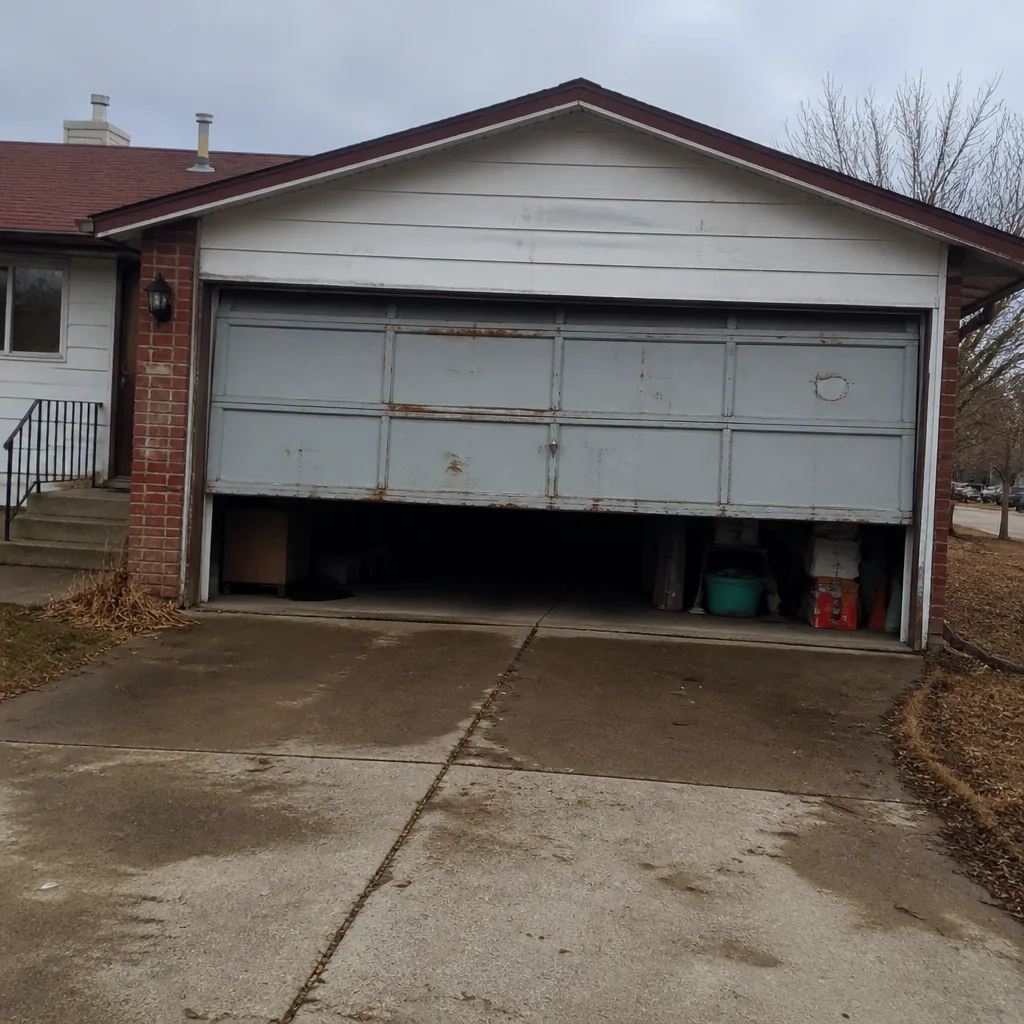 Before
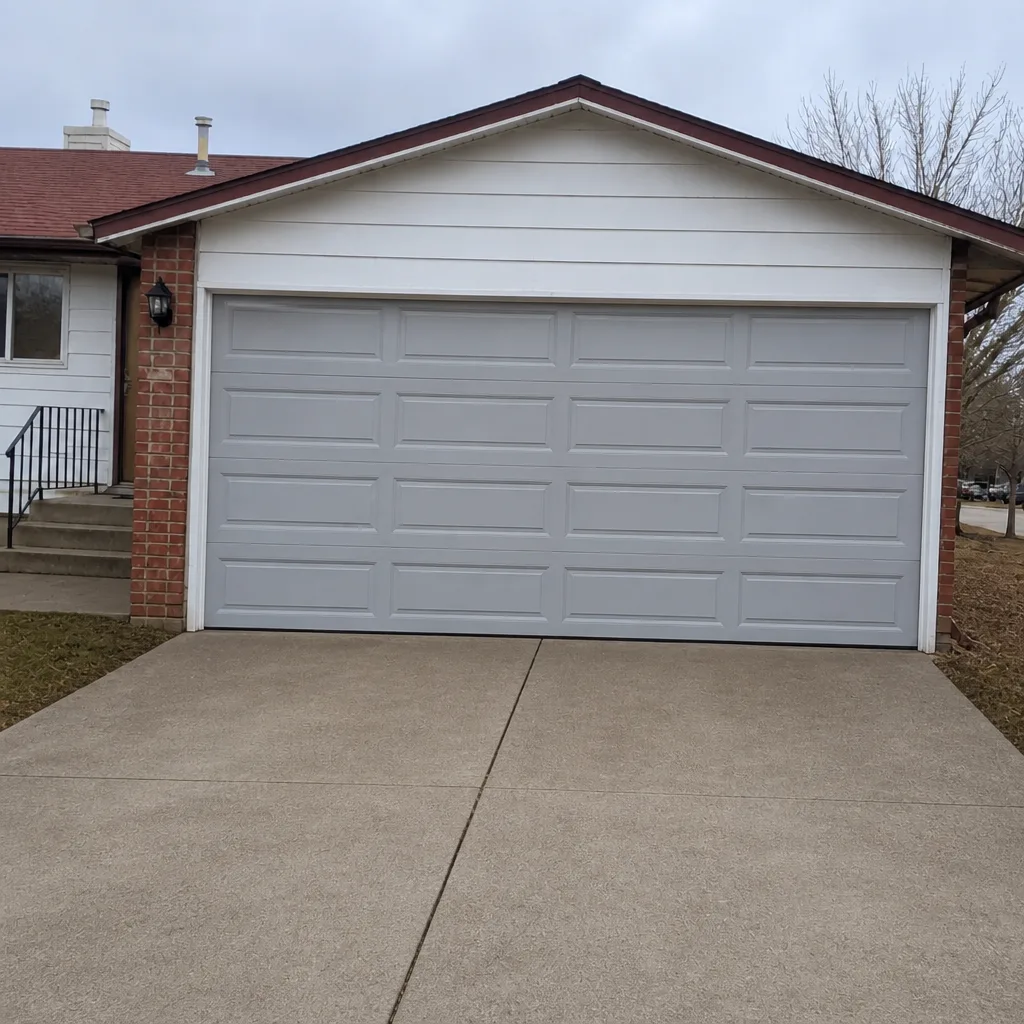 After
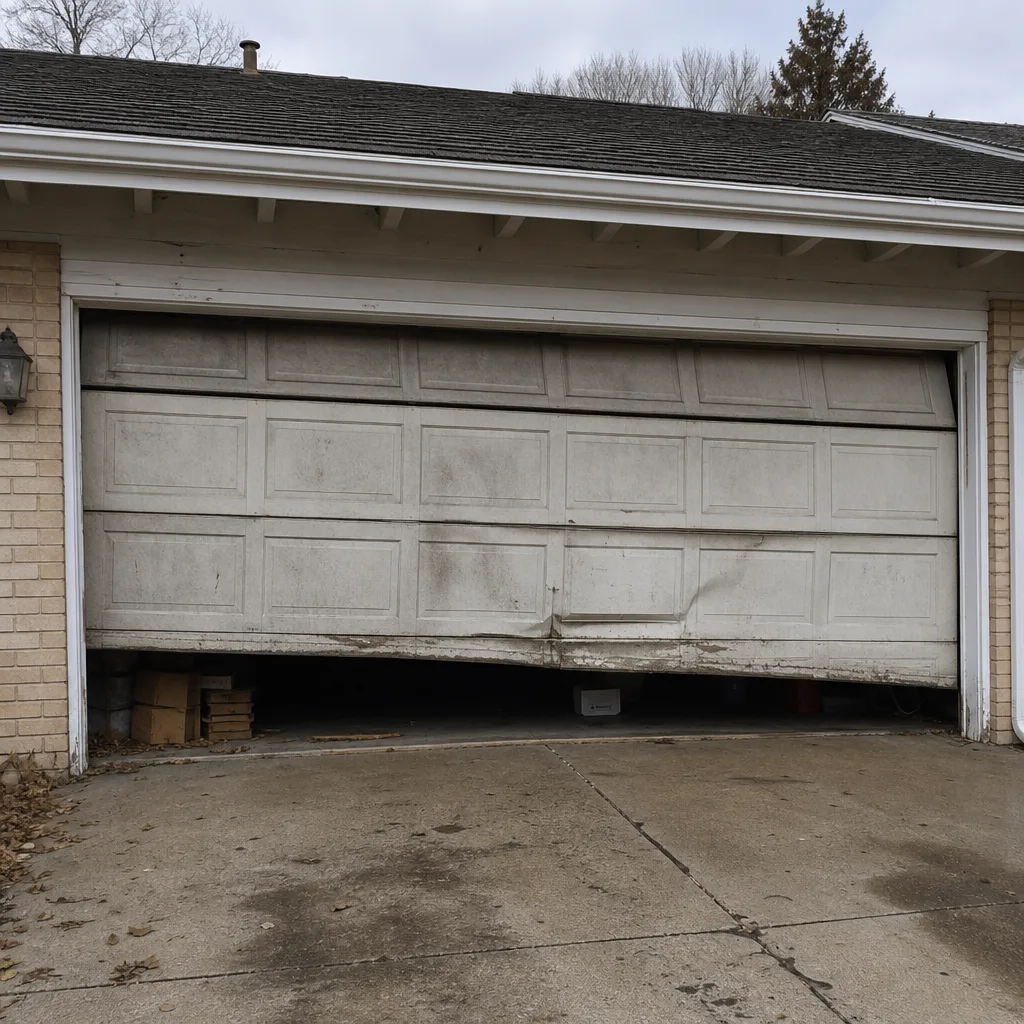 Before
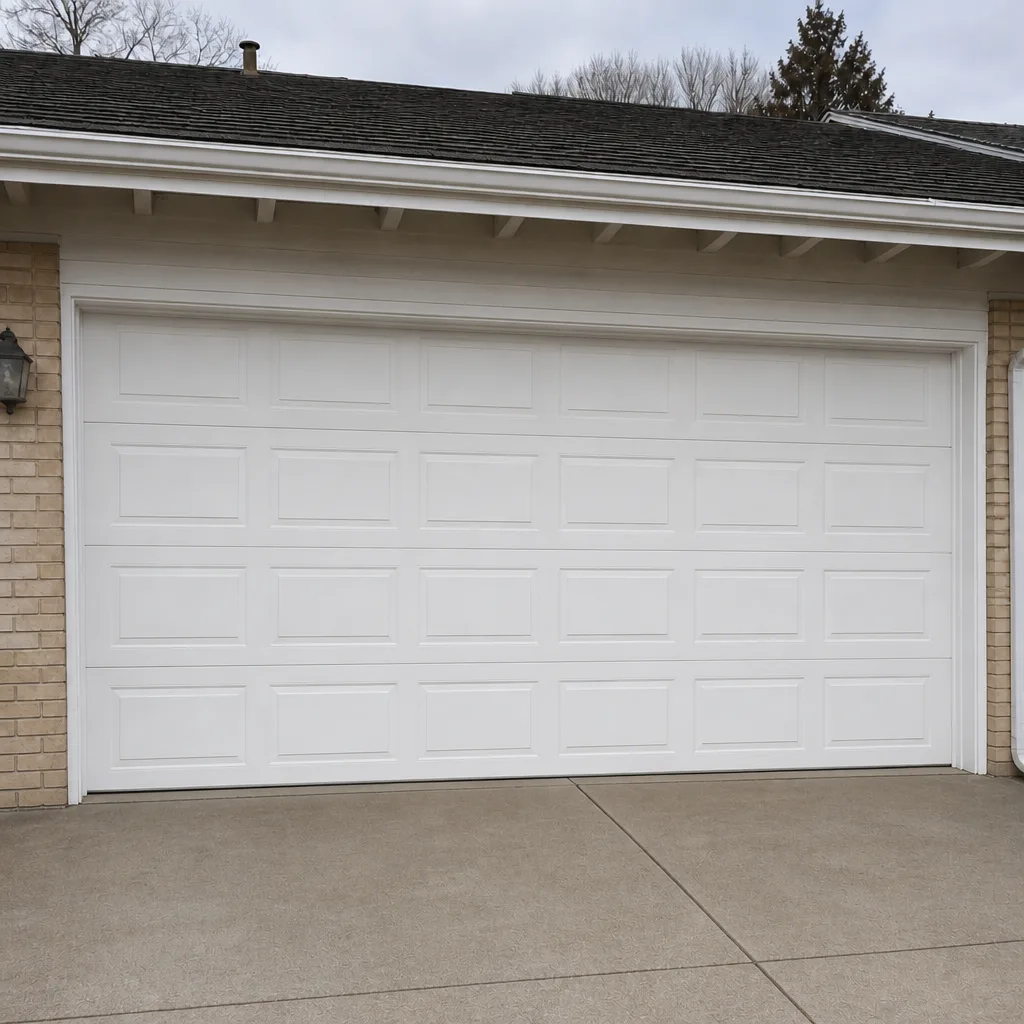 After