Last updated November 23, 2026
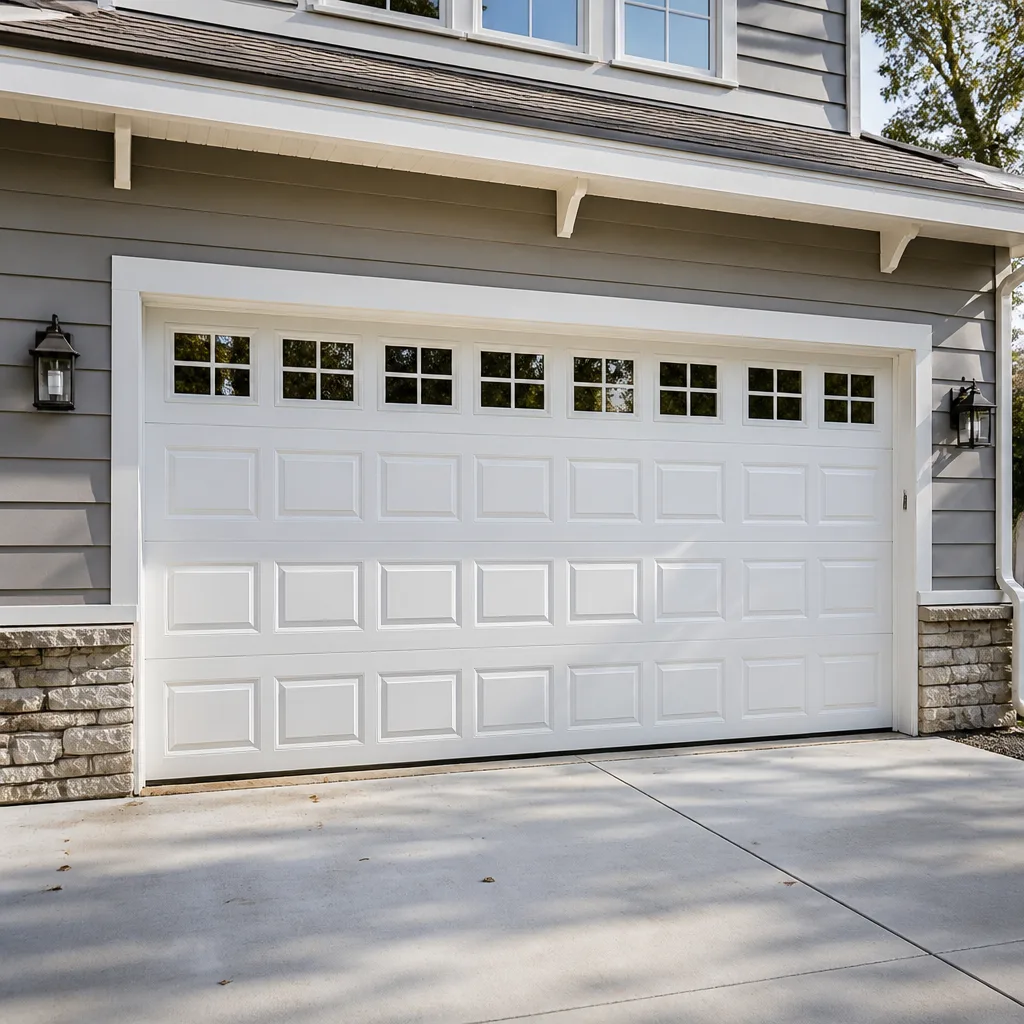 Raised-panel steel
 Carriage house
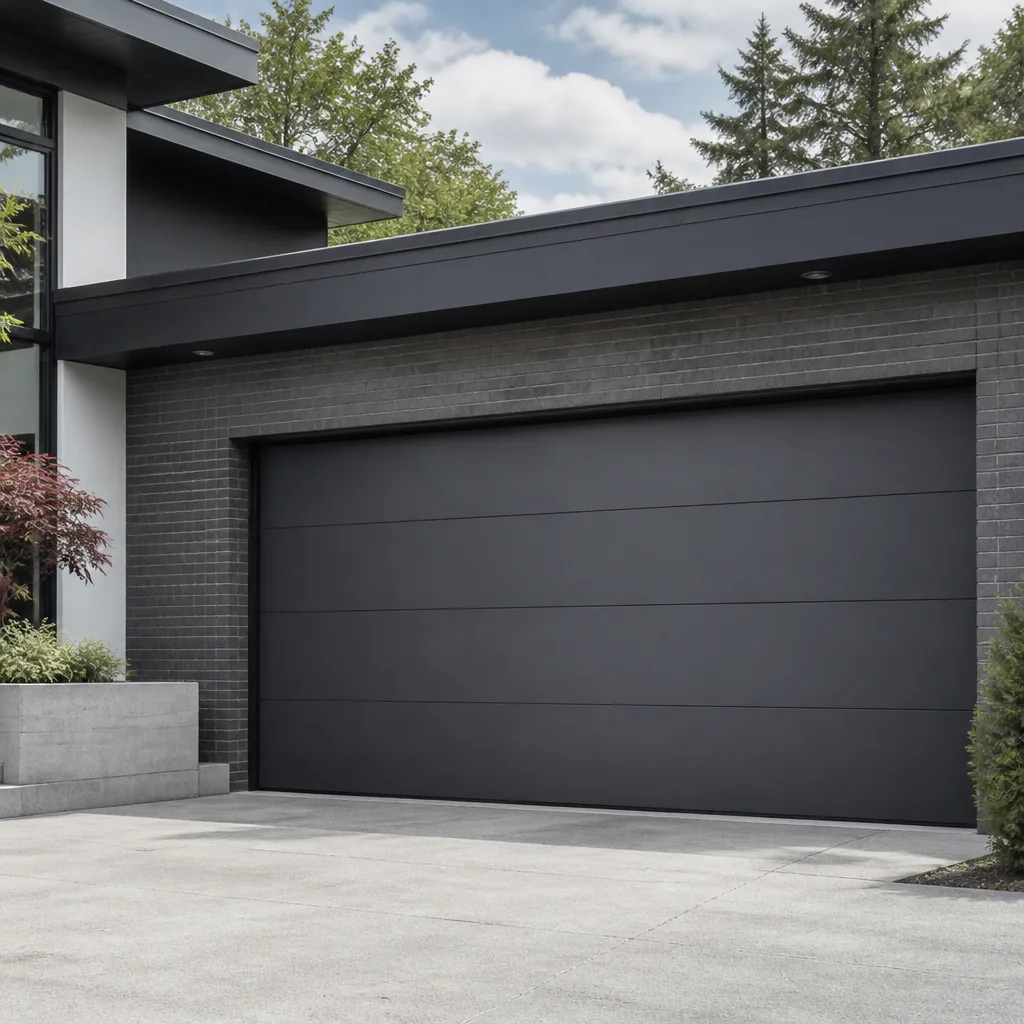 Modern flush
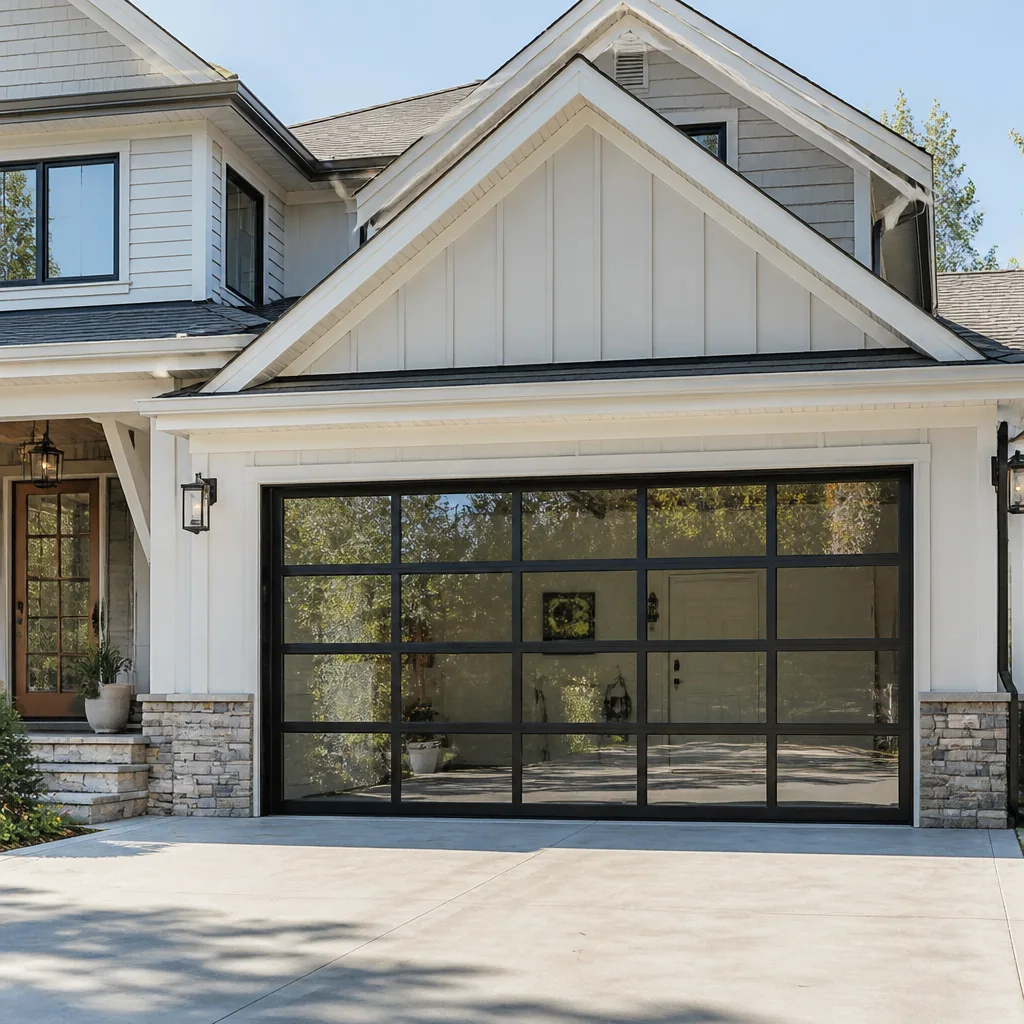 Full-view glass
 LiftMaster openers
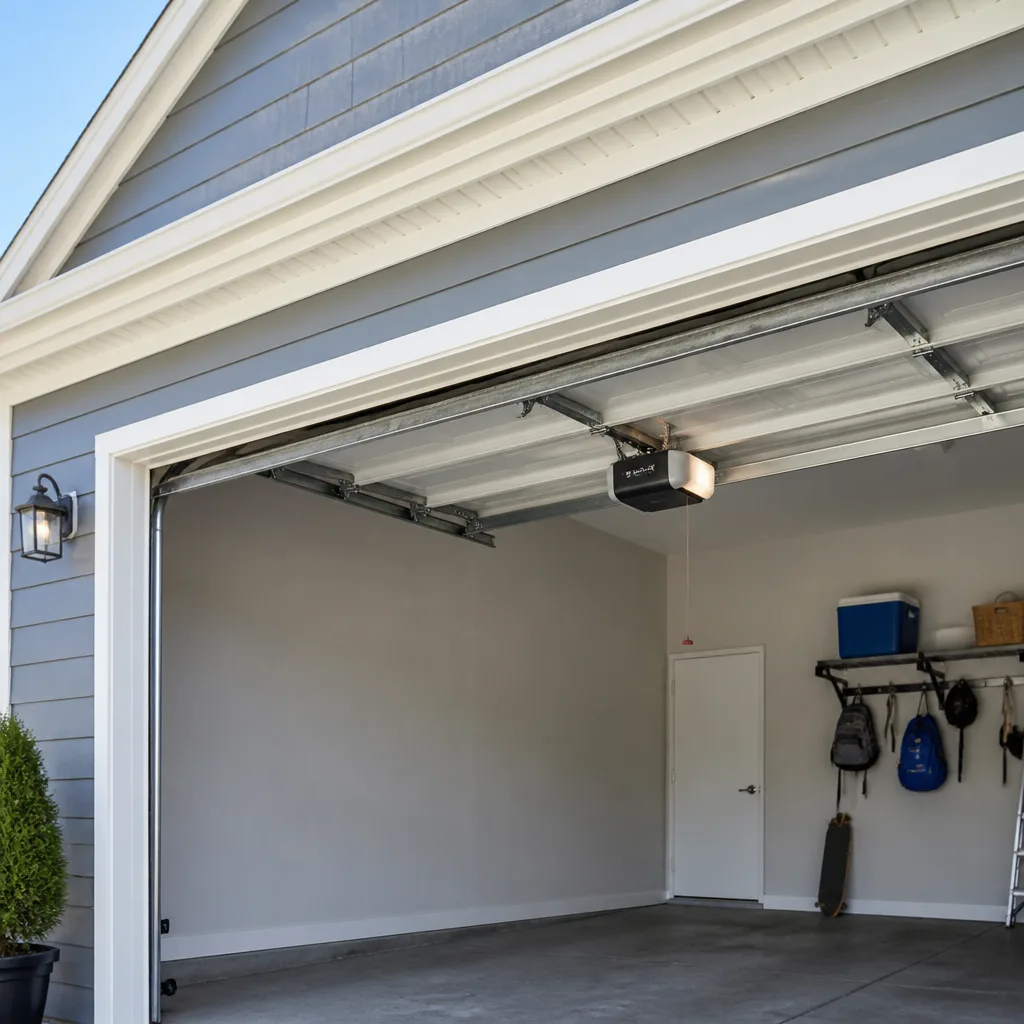 Chamberlain openers
Full 25-point door and opener safety check with every visit - springs, cables, rollers, tracks, and your LiftMaster or Chamberlain opener included
You get a price before we start. It does not change when the pro arrives.
Get your free estimateGarage Door Repair Maintenance Checklist for Westminster Homeowners
The number-one call we get after a cold snap isn’t a broken spring. It’s a door that moves two inches and stops, caused by a simple lubrication failure that a five-minute check every fall would have caught. Most checklists floating around the internet are recycled manufacturer PDFs – they list every component in the same order whether you live in Arizona or Alberta. This one is different. We’ve built it around the failure patterns our technicians actually see repeatedly in Westminster, sequenced by what breaks most often, not by what’s easiest to alphabetize.
Below you’ll find a triage-ordered maintenance routine for the Colorado Front Range: what to check in October before the freeze, what to check in April after months of freeze-thaw cycling, the specific lubricants that hold up here (and the ones that dry out or turn to grit), and how to test balance and safety reversal in under ten minutes with clear pass/fail benchmarks.
Quick Answer
A practical garage door maintenance routine for a Westminster home takes about 15 minutes twice a year: lubricate hinges, rollers, and the spring with a low-temperature silicone or lithium grease in October before freeze season, test balance and auto-reverse at the same time, then repeat a shortened check in April after freeze-thaw stress. Most local service calls we see – doors that stall, noisy openers, sticking rollers – trace back to a skipped fall lubrication or a misadjusted safety sensor, not to worn-out parts.
Styles & brands we work with
- Raised-panel steel
- Carriage house
- Modern flush
- Full-view glass
- LiftMaster openers
- Chamberlain openers
Table of Contents
- Why Westminster Doors Fail Differently Than Generic Checklists Assume
- The October Checklist: Pre-Freeze-Season Triage
- The April Checklist: Post-Freeze-Thaw Triage
- Lubrication That Survives Colorado: What Works, What Doesn’t
- The 10-Minute Balance, Travel, and Auto-Reverse Test
- Red Flags: Stop and Call a Pro vs. Safe to Monitor
- Brand-Specific Maintenance Notes
- Seasonal Timing Matrix
Why Westminster Doors Fail Differently Than Generic Checklists Assume
Westminster sits in the transition zone where the Front Range’s dry, high-altitude air meets the temperature swings that roll off the foothills. The result is a garage door cycle that’s genuinely harder on hardware than what most manufacturer maintenance schedules were written for. A door that opens and closes twice a day in a mild climate is not the same door that does the same thing through a week in the teens followed by a week in the sixties.
The problems we see repeatedly on Westminster doors cluster around four themes:
- Thermal cycling stress. Springs, torsion cables, and hinges flex with every temperature swing. The metal fatigue shows up first at the tightest stress points – usually the spring coils and the cable/roller connections.
- Low-humidity drying. Wood-look and composite door panels, plus the nylon rollers in many residential openers, dry out faster here than in humid climates. Lubricants that would last six months in the Midwest can be gone in eight weeks in Westminster.
- Grit and dust. The Front Range wind brings fine particulate dust onto the tracks and rollers. This is why some “good” lubricants actually make the problem worse – they grab dust and form a grinding paste.
- Exterior exposure on south-facing doors. A door facing the afternoon sun across the open Plains takes way more direct thermal load than one under a shade tree. We see more panel warping and weather-seal damage on sun-facing doors in Westminster.
None of this is dramatic. It just means the “check everything, once a year” model doesn’t fit the local conditions well. A Westminster door needs an October check before the freeze season and an April check after the freeze-thaw cycle – not one checklist that pretends the seasons here are gentle.
The October Checklist: Pre-Freeze-Season Triage
The October check carries the most weight in the Westminster cycle. If you only do one maintenance pass a year, do this one. The goal is to catch the failures that the first hard freeze will otherwise trigger: seized rollers, dry hinges, and lubrication that won’t hold through the winter.
Work through the list in this order – it’s sequenced by what causes the most service calls in Westminster, not by what’s easiest to reach:
- Lubricate all hinges and rollers. Use a silicone spray rated for cold weather, or a light lithium grease. Both handle the cold without congealing. Apply to every hinge pivot, every roller stem, and the top and bottom of each roller where it meets the track.
- Lubricate the torsion spring or extension springs. One pass of silicone spray along the coil. Never oil – oil attracts grit and won’t survive the temperature range.
- Test the door balance. Pull the manual release and lift the door halfway. It should hold there. If it drifts up or down, the spring tension is wrong and needs professional adjustment.
- Test the auto-reverse. Both the mechanical (pressure) and the photoelectric (beam) systems. This is a safety-critical test, not a formality.
- Inspect the weather seal along the bottom. Cold air intrusion and the freeze/thaw cycle degrade this seal faster in Colorado than the standard “replace every few years” advice suggests.
- Check the tracks for alignment and grit. A quick wipe with a dry cloth, not a lubricated one – tracks should stay clean and dry.
- Look at the cable ends. The point where the cables attach at the bottom bracket and drum is where fraying shows up first. If you see a single frayed strand, that’s a call-a-pro now, not later.
That whole routine is about 15 minutes for a typical Westminster single-car door and maybe 20 for a double door. If any step fails the pass criteria in the sections below, don’t push forward – either fix the specific issue or call us.
The April Checklist: Post-Freeze-Thaw Triage
The April check is shorter. Its job is to catch what October’s lubrication and adjustment work wasn’t able to prevent, and to address damage the winter cycle actually caused. This is where the Front Range climate leaves its fingerprints.
Here’s the April pass, in priority order:
- Visual spring inspection. Look closely at the torsion spring above the door (or the extension springs along the tracks on older doors). Any visible gap, dark mark, or coil separation means the spring is failing – call for garage door repair before it breaks and surprises you.
- Full lubrication refresh. October’s lubricant has likely shed most of its protection through the winter. One fresh pass on hinges and rollers restores it.
- Check the door’s track alignment. The freeze-thaw cycle can nudge a track out of plumb by a fraction of an inch, which turns into a noisy door by midsummer. A straight edge or level on the vertical tracks tells you quickly.
- Re-test the auto-reverse and safety sensors. Sensors can drift, and dust from spring winds can obscure the lenses.
- Inspect the exterior seal, panel edges, and bottom weatherstrip for winter damage. Sun-facing doors crack faster.
- Listen carefully during a full cycle. Any grinding, popping, or hesitation in the opener motor is worth noting now, because these symptoms often escalate quickly into full garage door opener repair.
April is also the better month for anything that involves planning ahead – if you know a roller set or hinge set is coming due, this is the right time to schedule. Nothing about a planned spring or roller refresh is urgent, so a scheduled visit in April costs less stress than an emergency in August.
Lubrication That Survives Colorado: What Works, What Doesn’t
This section is where most homeowners get it wrong, and where the wrong product choice causes more service calls than it prevents. The two failure modes are opposite: lubricants that dry out before winter is over, and lubricants that stay wet enough to attract grit.
Here’s how the common products perform in a Westminster garage:
- Silicone spray (rated for cold): The best all-around choice. Stays clear of grit, tolerates the temperature swing, doesn’t leave sticky residue on hinges. Reapply once in October and once in April.
- White lithium grease: Good for hinges and the spring, especially on doors that get heavy use like a double-car door on a busy street. Slightly more grit-attracting than silicone, so a quick wipe before reapplying is worth the effort.
- General-purpose WD-40 (the classic blue-and-yellow can): Not a lubricant for garage doors. It’s a solvent with light oil in it – fine for loosening a stuck bolt, terrible as door maintenance. It dries out quickly and leaves you worse off than before.
- Heavy motor oil or 3-in-1 style oil: Attracts grit and turns to a grinding paste on the roller stems. Skip it. This is the single most common lubrication mistake we see on Westminster doors.
- “Specialty” garage door lubricants ($10-20 aerosol cans): Most are silicone or PTFE blends and do the job fine. You don’t need one that costs more than $20; the specs matter more than the marketing.
- Graphite powder: Reasonable for keyed locks and interior lock cylinders, but not useful on hinges or rollers.
Lubricating the torsion spring itself is the one step where a silicone spray beats grease every time – it stays thin, penetrates the coils, and doesn’t trap wind-blown dust the way grease does. On a Craftsman or Chamberlain door with an older nylon roller set, the difference in noise after a proper silicone application can be startling – it can take a door from a rumbling complaint to a quiet glide in one pass.
One more local point: any lubricant you apply to your door in Westminster is going to see at least a dozen freeze-thaw cycles between November and March. Products marketed as “all season” in milder climates don’t always hold up here. Check the label for a low-temperature rating, and if it doesn’t list one, assume it’s a summer product.
The 10-Minute Balance, Travel, and Auto-Reverse Test
These three tests are the core of any worthwhile maintenance routine, and they can all be done in under ten minutes with no tools beyond a tape measure and a block of wood. They also need to be done as tests with clear pass/fail points – a vague “it feels okay” isn’t good enough on a garage door.
Balance Test (Pass/Fail)
With the door closed, pull the manual release (the red rope/cord hanging from the opener rail). Lift the door by hand to about waist height, then let go.
- Pass: The door holds its position, or drifts less than a foot either direction.
- Fail (drifts down): Springs are losing tension. Likely needs professional adjustment or replacement.
- Fail (drifts up): Springs are overtensioned or the counterbalance is off. Call a pro – do not adjust torsion springs yourself.
Travel Limit Test (Pass/Fail)
Cycle the door fully closed, then fully open. Watch closely at both ends.
- Pass: The door seats flush at the floor with the bottom seal gently compressed, and stops with the top panel even with the header.
- Fail: The door slams at the bottom (limit set too far), or stops short of fully opening (limit set too near). Adjust the travel limits on the opener per the manufacturer’s instructions – LiftMaster and Chamberlain openers both make this easy from the control panel; older Raynor units may need the ceiling-mounted unit’s adjustment screws.
Auto-Reverse Test (Pass/Fail)
Two systems need testing: the mechanical pressure reverse and the photoelectric safety eye.
- Photoelectric: With the door open, wave a broom across the beam path. The door should immediately begin to close (if open) or stop-and-reverse (if closing).
- Mechanical: Lay a 2×4 block flat on the ground in the door’s path. Close the door with the opener wall control. On contact with the block, the door should reverse within about 2 inches of travel.
- Pass on both: The door reverses cleanly in each test.
- Fail on either: Stop using the automatic opener until the system is fixed. A door that won’t reverse is a safety issue, not an inconvenience.
If any of these three tests fails and the fix isn’t obvious, that’s the point to bring in a technician. Balance and spring issues especially should not be handled by a homeowner – the torsion spring on a residential door holds enough stored energy to cause serious injury, and the tools and knowledge for adjusting it safely aren’t the kind of thing a five-minute checklist can replace.
Red Flags: Stop and Call a Pro vs. Safe to Monitor
The hardest part of maintenance isn’t doing the steps – it’s judging what a finding actually means. A little observation goes a long way, but a wrong call on a safety-critical component can cost you a whole door or worse. Here’s how we sort what’s genuinely urgent from what’s just worth watching.
Stop using the door and call a pro immediately:
- Any visible gap or separation in a torsion spring coil.
- Any frayed steel cable strand – even one.
- The door drops suddenly or slams shut during a cycle.
- The auto-reverse fails either test.
- A loud bang from the garage followed by a door that won’t open.
- A door that feels noticeably heavier than normal when lifted by hand.
- Visible damage to the bottom bracket or spring anchor plate.
Safe to monitor at the next scheduled check:
- Minor cosmetic scratches on panels.
- Mild noise from hinges that lubrication addresses.
- A slightly worn bottom weather seal (plan replacement in the next few months).
- Small paint or seal peeling on the exterior of a sun-facing door.
- Slow opener response – worth noting, but not urgent unless it worsens.
- Slight dust accumulation on the tracks (clean it, don’t panic).
The judgment call most often missed is on springs. A failing torsion spring usually makes a faint creak or a “pop” sound before it breaks. If you catch that sound and call, you can schedule the repair. If you don’t, you’ll call from a car-free driveway with a garage you can’t open – and probably pay a premium for an emergency visit.
Brand-Specific Maintenance Notes
Not every door and opener needs the same maintenance, and knowing what your specific brand rewards you for is useful. Here are the ones we see most often on Westminster homes:
LiftMaster and Chamberlain Openers
These are the most common residential openers in the area. Their wall control panels make travel-limit adjustments quick, and the safety reversal system is straightforward to test. The belt-drive models run quieter than chain-drive but the belt itself is worth inspecting yearly – a frayed or cracking belt is a common reason for a door that hesitates mid-cycle. If you’re not sure whether your opener needs service or replacement, our guide to garage door opener repair covers the common failure points.
Craftsman Openers
Many Westminster garages have Craftsman openers that came with the house – often ten or fifteen years old and still running. The main maintenance items are the drive gear (they wear, but they’re replaceable), and the travel limits (they can drift). If you hear a grinding noise from the opener motor, stop using it – the gear is stripping, and replacing it now is cheaper than replacing the opener later.
If a repair isn’t going to bring the unit back to reliable service, that’s when a planned garage door installation for a newer opener makes sense – belt-drive LiftMaster and Chamberlain units are a popular choice in that situation.
Raynor and Clopay Doors
Raynor doors tend to have solid hinge and roller assemblies that respond well to a strong lubrication routine, but their older extension-spring setups need close visual checks each spring. Clopay doors with steel or composite panels age gracefully in the Colorado climate if the exterior finish is maintained – the sun-facing panel is the one to watch. Cosmetic care on the exterior is worth doing in October and inspecting again in April.
Across all of these, the same principle applies: maintenance is cheaper than repair, and repair is cheaper than replacement. A worn roller set replaced at the right time is a $60-100 job; waiting until the roller seizes and grinds the track is a much bigger deal.
Seasonal Timing Matrix
Different checks belong in different seasons – here’s the split we recommend for Westminster. This is the part most checklists leave out, and it’s the part that actually matters given how much freeze-thaw cycling a front-range door goes through each year.
- October (before freeze season): Full lubrication of hinges, rollers, and springs. Balance test. Auto-reverse test. Weather seal inspection. Track alignment check. Cable end inspection.
- April (after freeze-thaw stress): Fresh lubrication pass. Spring visual inspection. Travel-limit test. Roller inspection. Weatherstrip and exterior finish inspection. Any scheduled roller or hinge refresh.
- July (mid-summer check, optional but useful): Quick wipe-down of tracks, brief visual on springs and cables, listen for new noises. Nothing urgent unless something stands out.
- Any time: Auto-reverse and safety-sensor test – these should really be done monthly, and they take under a minute.
The matrix exists because the freeze-thaw cycle is where the real damage lives in a Westminster garage. The October check is about preparing for it. The April check is about recovering from it. Skipping one of those two – or replacing both with a single annual check whenever it’s convenient – is how a small lubrication issue turns into an emergency spring call the following year.
Common Mistakes to Avoid
- Using WD-40 or motor oil on the door hardware. Both are commonly recommended online and both cause problems here – WD-40 dries out faster than the cold cycle requires, and oil attracts Front Range dust into a grinding paste. Use silicone or white lithium instead.
- Lubricating the tracks. A very common mistake. Tracks should be cleaned and dry. Lubricant on the tracks makes rollers slide instead of roll, which accelerates wear and messes with the door’s balance.
- Adjusting torsion springs without training. The stored energy in a residential torsion spring is enough to cause serious injury if it releases under the wrong conditions. This is the one maintenance task we never recommend for a homeowner. Professional service is worth the call.
- Skipping the balance test because it “looks fine.” A door that visually looks okay but is out of balance puts strain on the opener and the springs every time it cycles. The test takes three minutes; skip it and you may be looking at a full opener replacement in a couple of years.
- Ignoring a single creak or pop. Springs rarely break without warning. A “pop” sound, a small creak, or a single dark mark on the coil is the notice – treat it that way.
- Assuming whichever opener the previous owner installed is fine forever. A Craftsman or older Chamberlain unit that’s been working reliably for years still needs its travel limits re-tested and its motor inspected after the winter – especially if it lives in a garage that sees temperature below freezing each January.
- Waiting for a spring failure to book a service. Every year Westminster sees a wave of spring calls in the first cold snap of late October or early November. A scheduled October maintenance visit is calmer and cheaper than an emergency call in that wave.
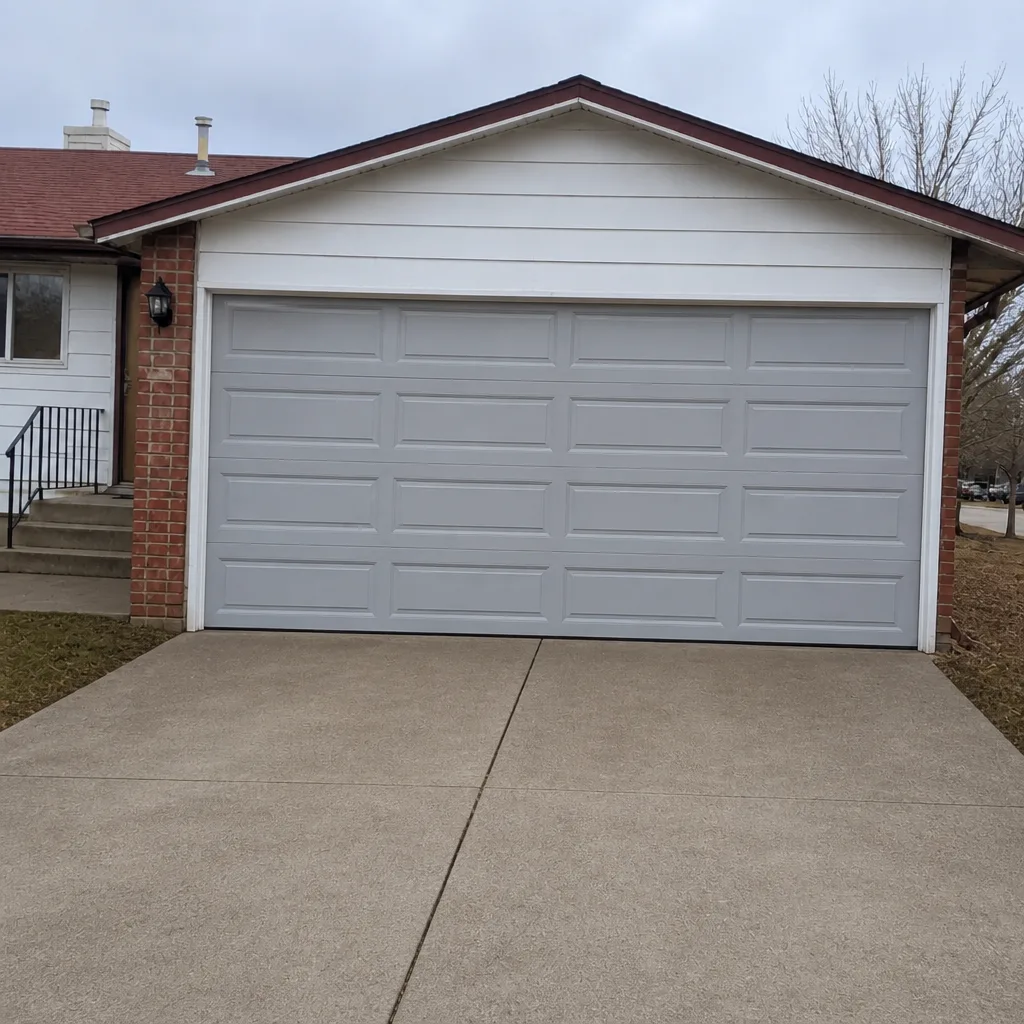
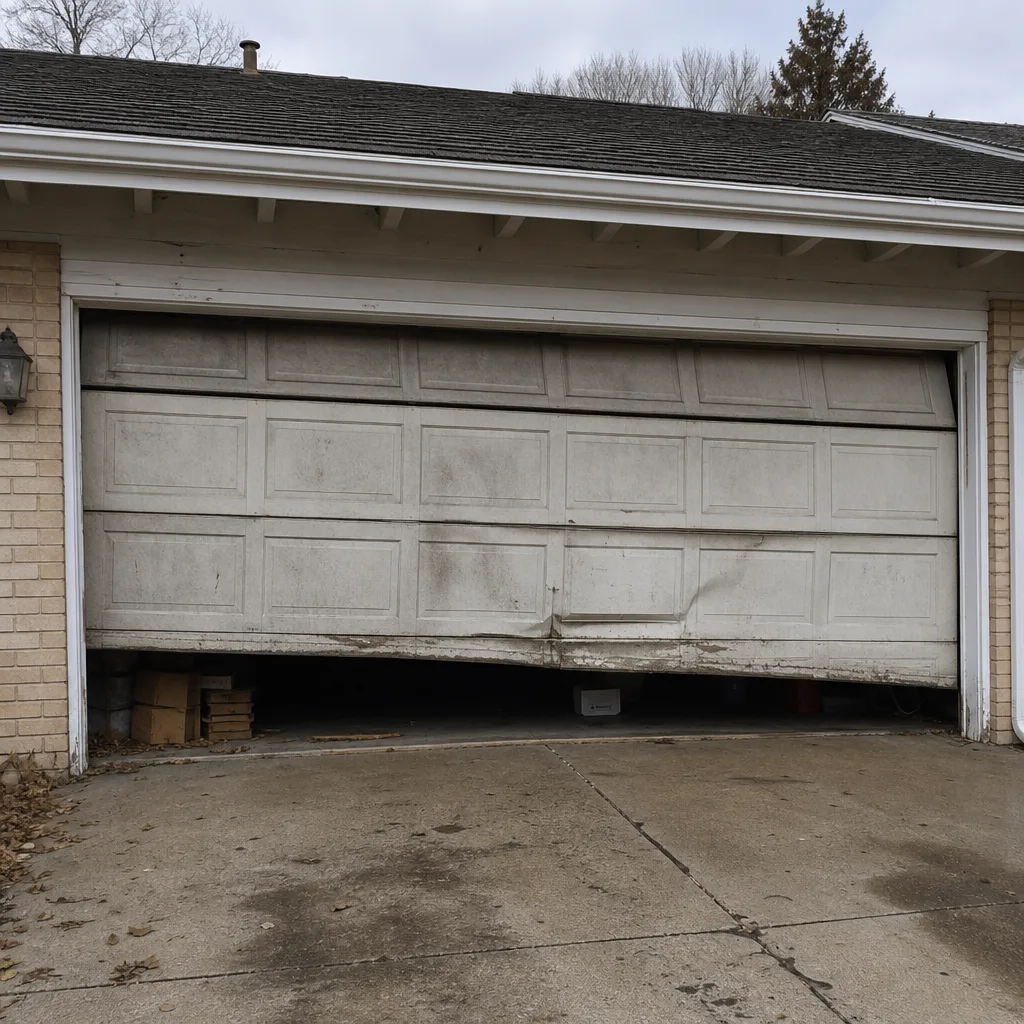
See the difference
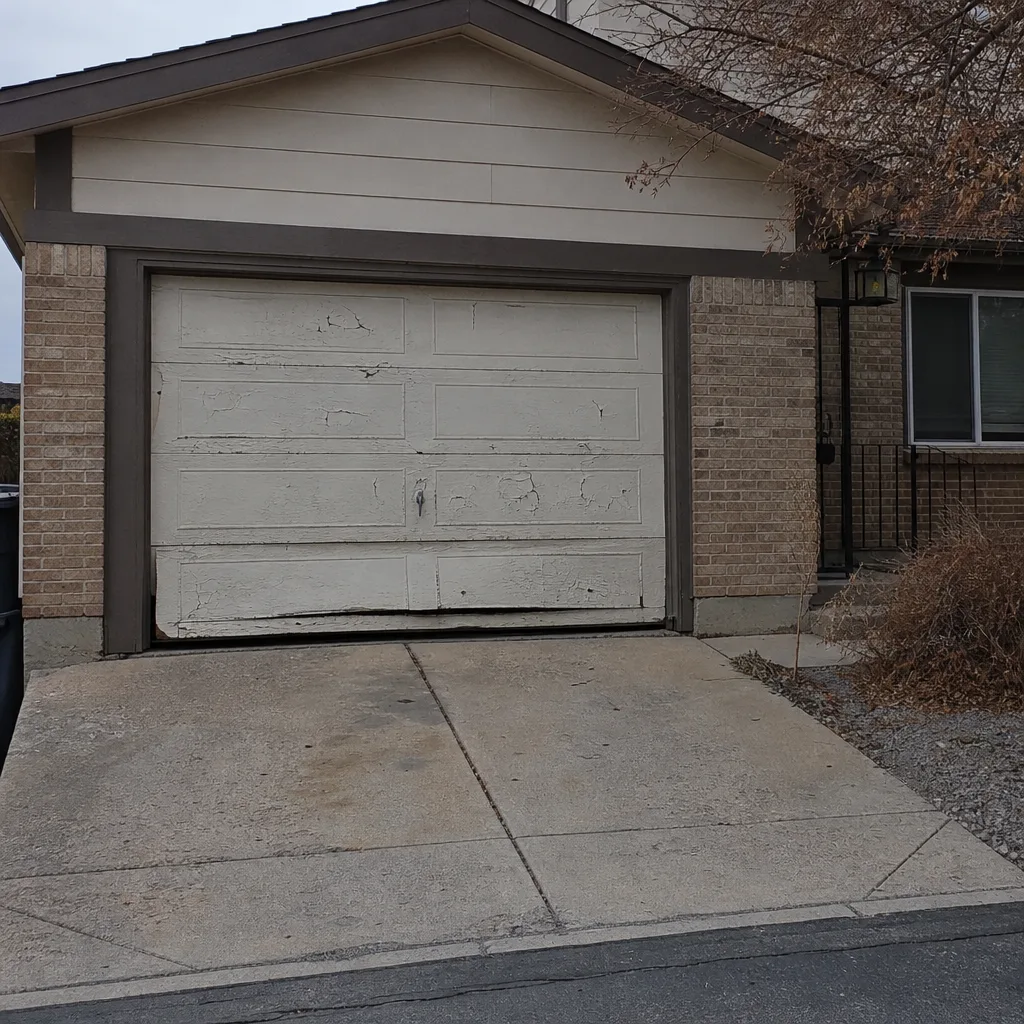 Before
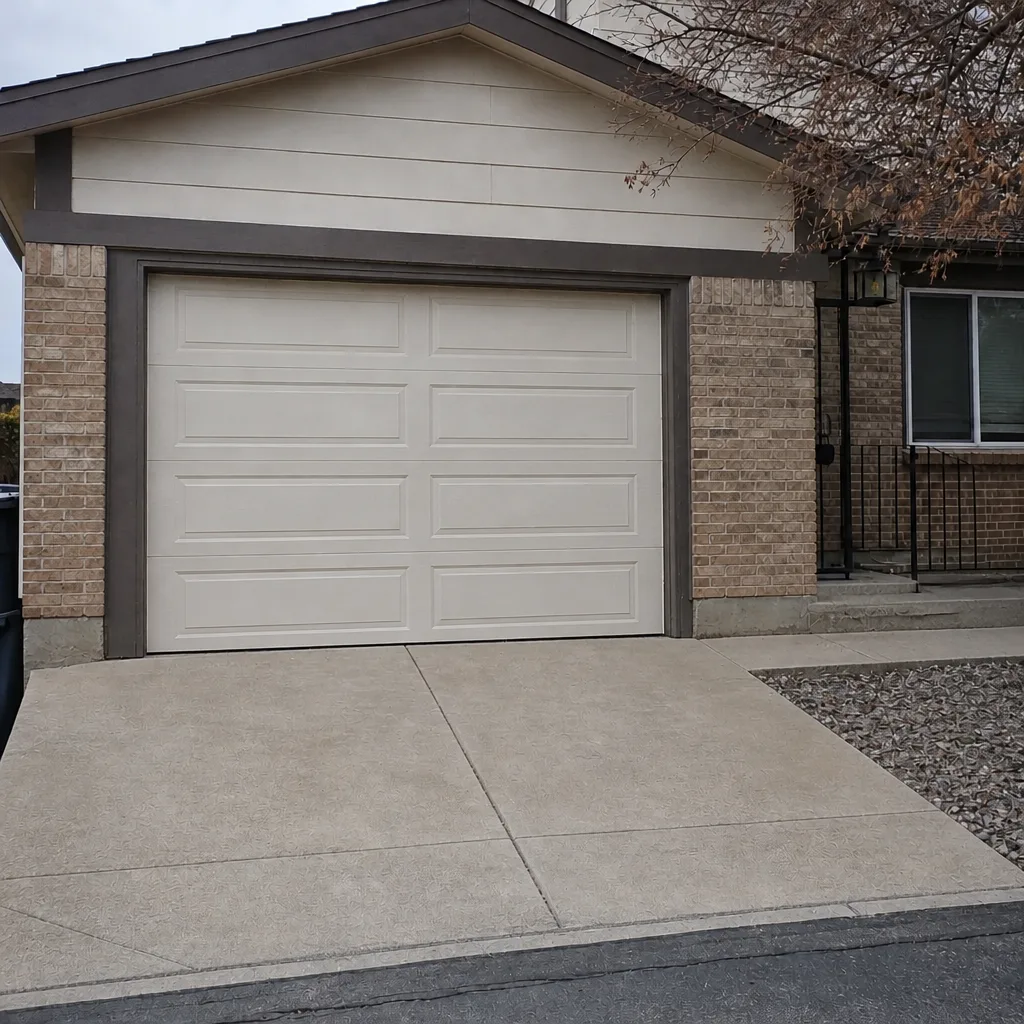 After
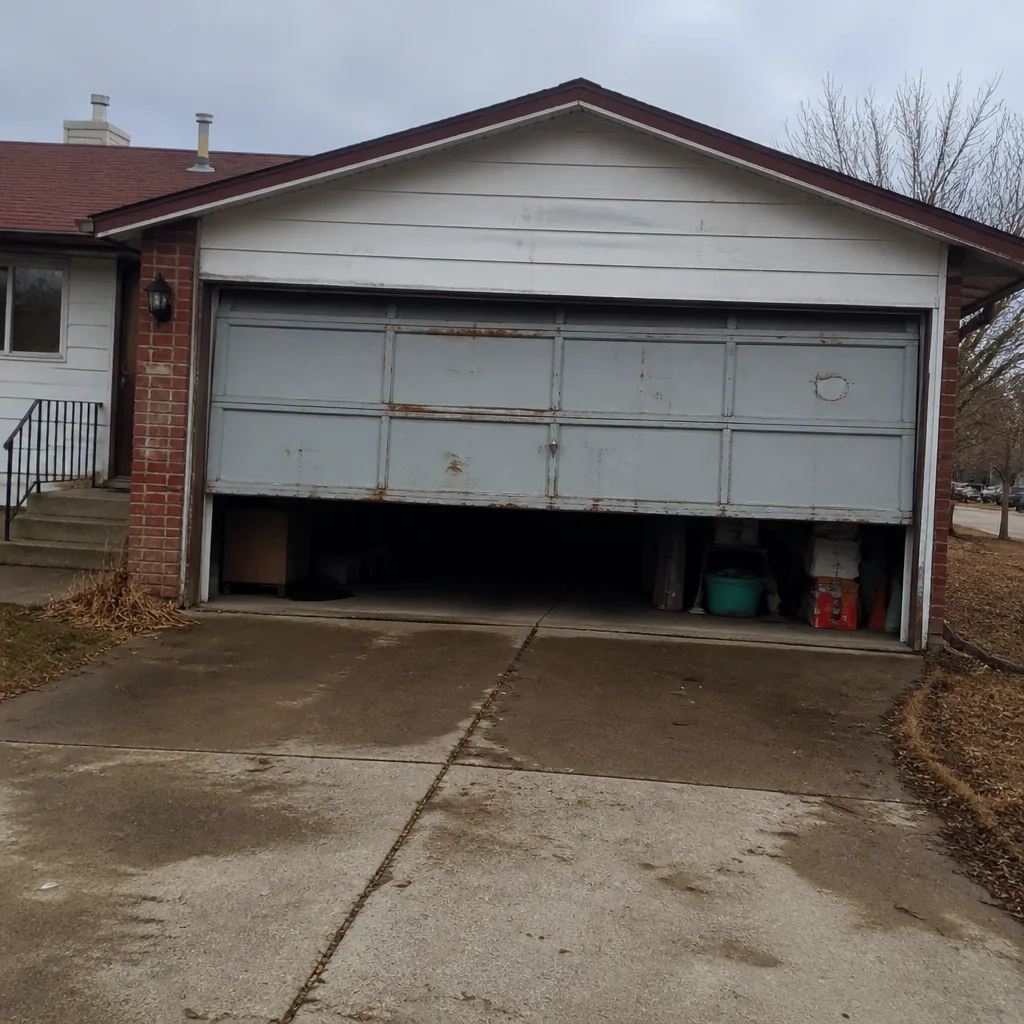 Before
 After
 Before
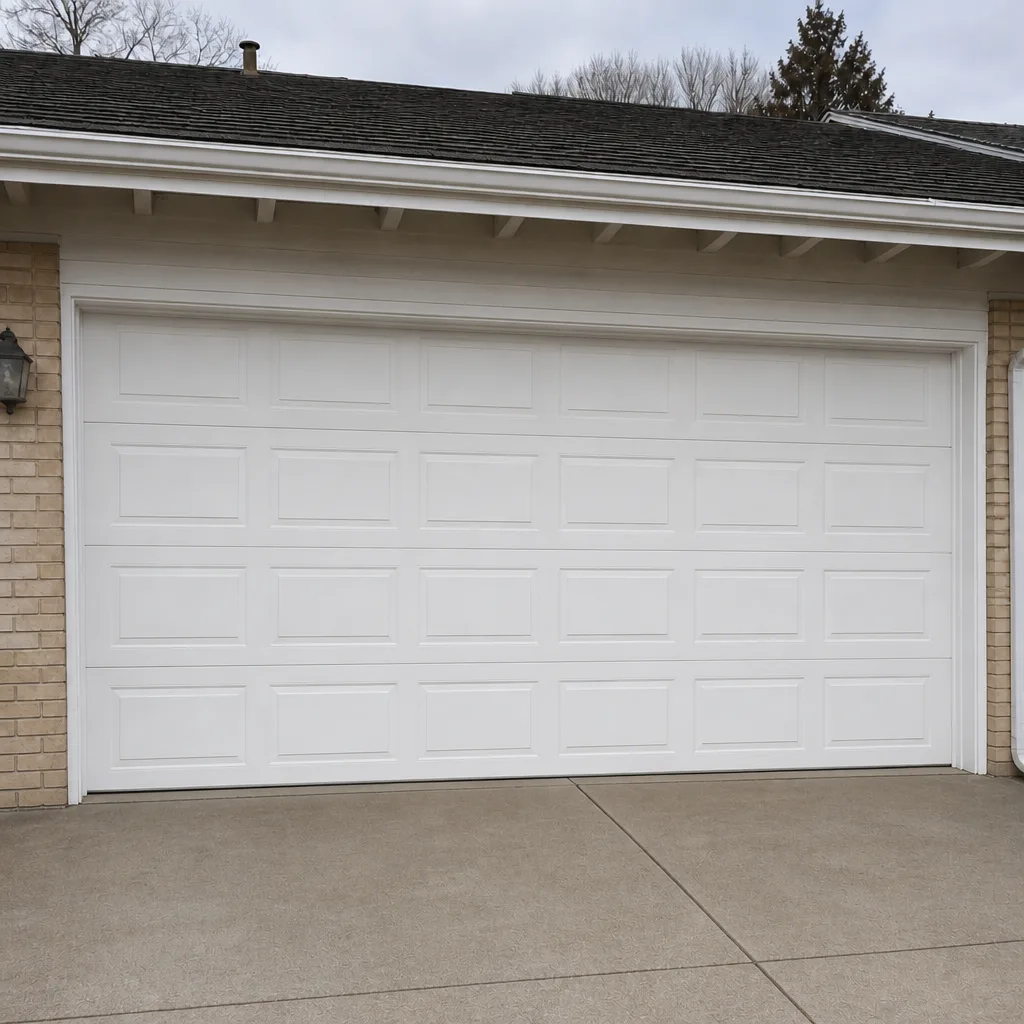 After
When to Call a Professional
A professional call is warranted any time a safety-critical component misbehaves, or when a maintenance check turns up something that isn’t obviously cosmetic. The specifics: a failing balance test, a failed auto-reverse test, any visible wear on a spring or cable, a door that runs with grinding or popping noise, or an opener that hesitates, grinds, or reverses for no reason. Those are all symptoms of problems that get worse with use. Westminster Garage Door Repair Co offers free estimates in Westminster – a technician will look at the door, tell you what’s actually wrong, and quote the price before any work begins.
If the situation is genuinely urgent – a door stuck open, a spring that’s snapped, a cable that’s failed – call (888) 845-7027 and we’ll get a technician out to look at it.
Frequently Asked Questions
Twice a year, with the seasonal timing tailored to the Front Range climate: once in October before the first hard freeze, and once in April after the freeze-thaw cycle has worked the door over. The April pass can be shorter, but it’s the one that catches winter-related damage early. Monthly, do the safety-reverse test on the opener because it takes under a minute and it’s a genuine safety check.
Silicone spray rated for cold weather is the best all-around choice, with white lithium grease as a good option for the hinges and spring on high-use doors. Avoid generic WD-40 and motor oil – both dry out or attract grit in a way that makes things worse in a dry, dusty, wide-temperature climate. The label should list a low-temperature rating; if it doesn’t, assume it’s not built for a Westminster winter.
We don’t recommend it. Torsion springs hold significant stored energy under load, and if the spring releases under the wrong conditions during adjustment, the injury risk is real. This is the one maintenance task where calling a professional is genuinely the right answer, not just a CYA. Our service is focused specifically on Westminster Garage Door Repair Co spring and repair work for that reason: it’s the highest-risk part of the whole door.
Usually maintenance – hinges and rollers that need lubrication, or a worn roller set that needs replacing. A door that goes from quiet to noisy over a month or two is a good candidate for a lubrication pass first, then a roller inspection if the noise persists. If the noise is a grind or a scrape from the opener motor itself, that’s a repair issue and should be looked at before it gets worse.
Yes, and it’s easy to forget because the opener is out of sight. Check the travel limits twice a year (they drift), inspect the drive belt or chain for wear, and test the auto-reverse monthly. On a LiftMaster or Chamberlain unit, most adjustments can be made right from the wall control panel. On an older Craftsman unit, a grinding sound often means the drive gear is wearing – that’s a repair, not just maintenance.
Preventive maintenance visits typically run as a low-cost service call, while specific repairs depend on the part – a roller set is a small job, a spring replacement is a bigger one, and a full opener replacement is at the higher end. The best way to know is a free estimate. Call (888) 845-7027 for an exact quote; estimates are free, and the price we quote is the price you pay – the written estimate sets the final cost, and nothing changes when the technician arrives.
The Bottom Line
The right maintenance routine for a Westminster garage door isn’t a generic annual checklist – it’s a triage-ordered pass built for the Front Range climate. Lubricate with silicone or white lithium in October (never motor oil or WD-40), test balance and auto-reverse at the same time, and repeat a shorter check in April after the freeze-thaw cycle. Skip the checks and you’ll be calling in the first cold snap; keep them and the door stays quiet, safe, and does what it should every time. The single biggest thing most homeowners get wrong is lubrication choice – fix that and you’ve solved most of the local problem set. Book your October pass early so you’re not queuing behind the post-freeze wave.
Call (888) 845-7027 for a free estimate. We work on the whole door: repairs, opener service, spring replacement, parts, and full installation, exclusively for garage doors, always in Westminster.
If you’re wondering whether your door needs a repair or a replacement, our garage door installation and Westminster Garage Door Repair Co teams can look at it with you, and our garage door repair specialists handle the smaller stuff that just needs a proper fix.
Written by the team at Westminster Garage Door Repair Co.