Last updated November 23, 2026
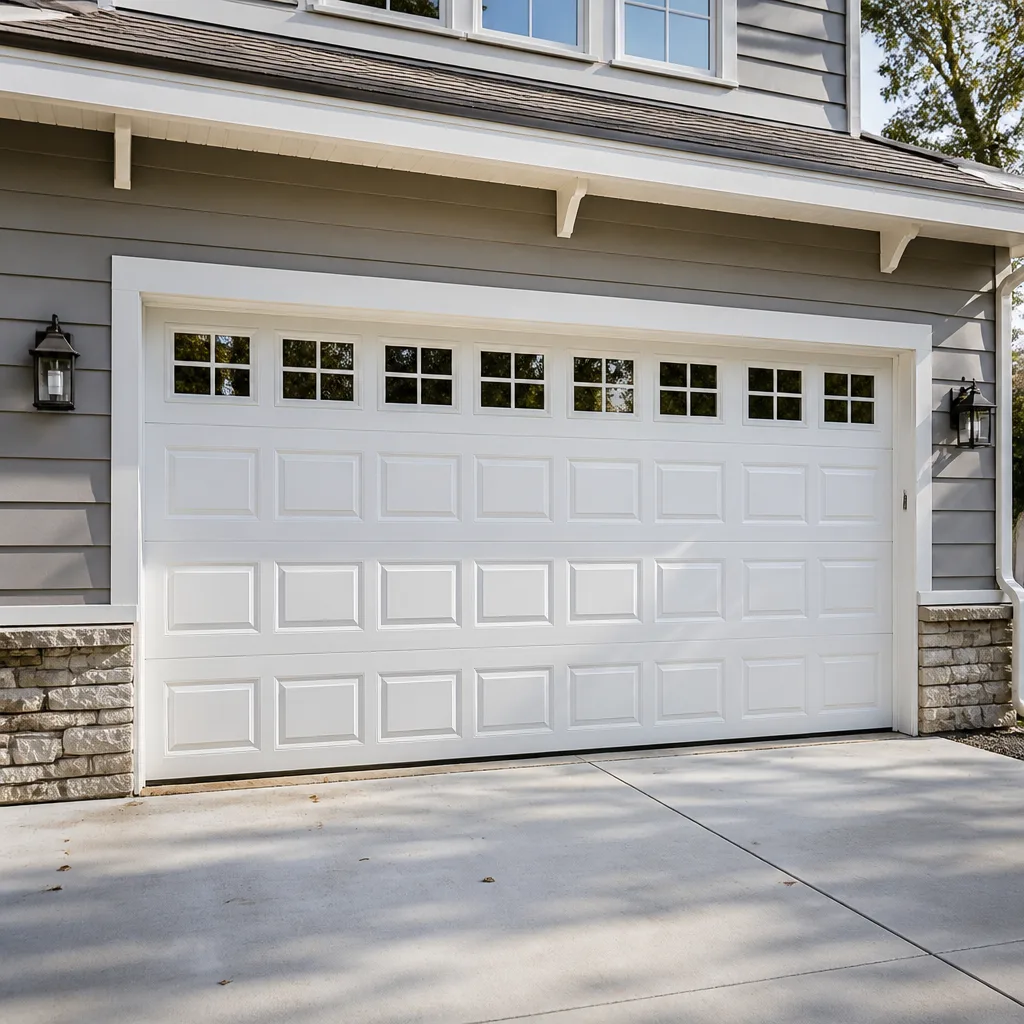 Raised-panel steel
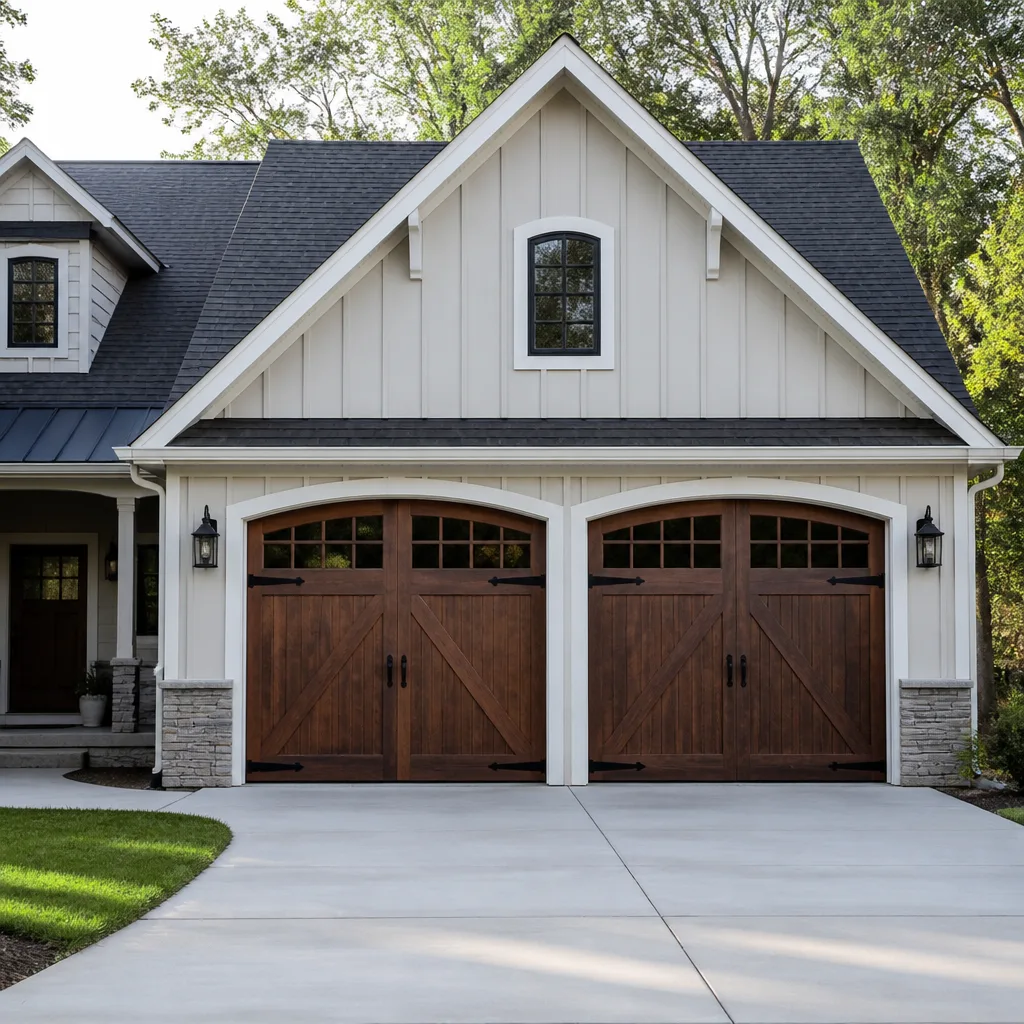 Carriage house
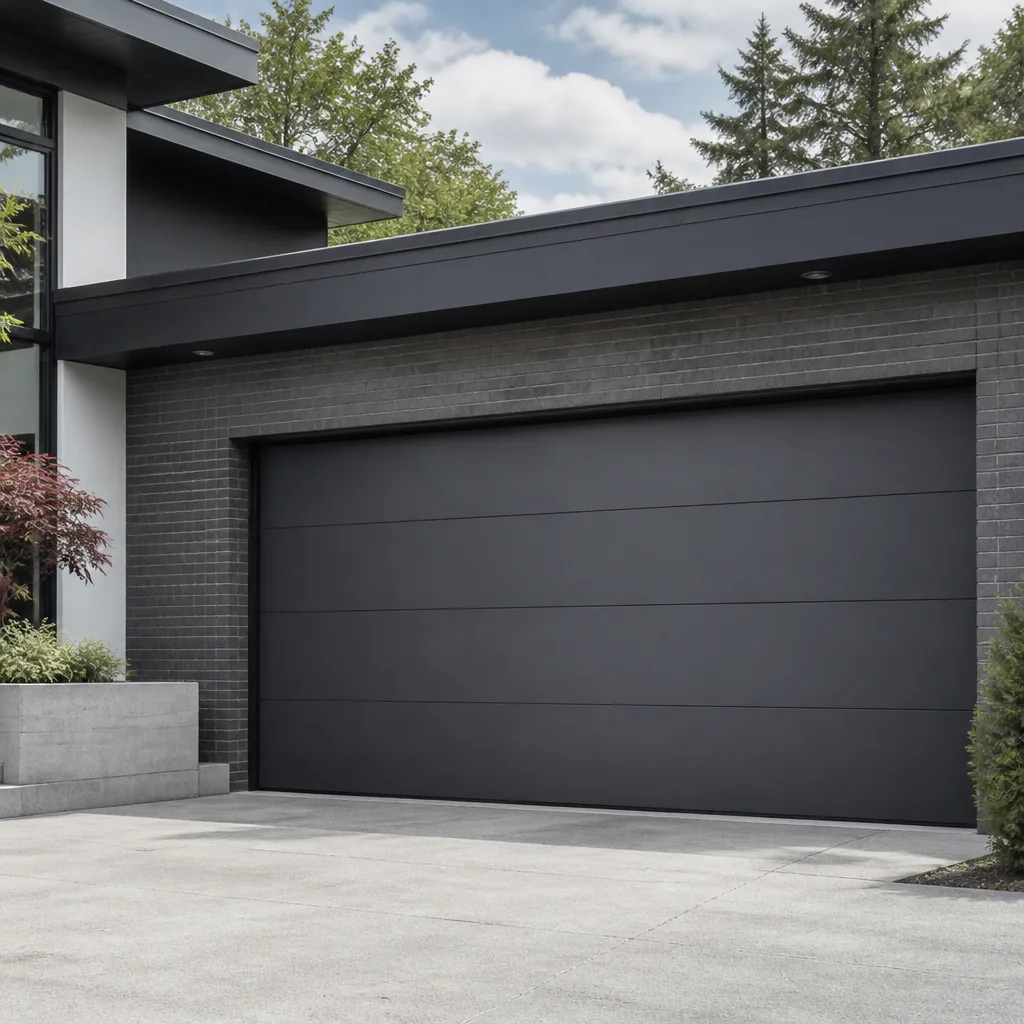 Modern flush
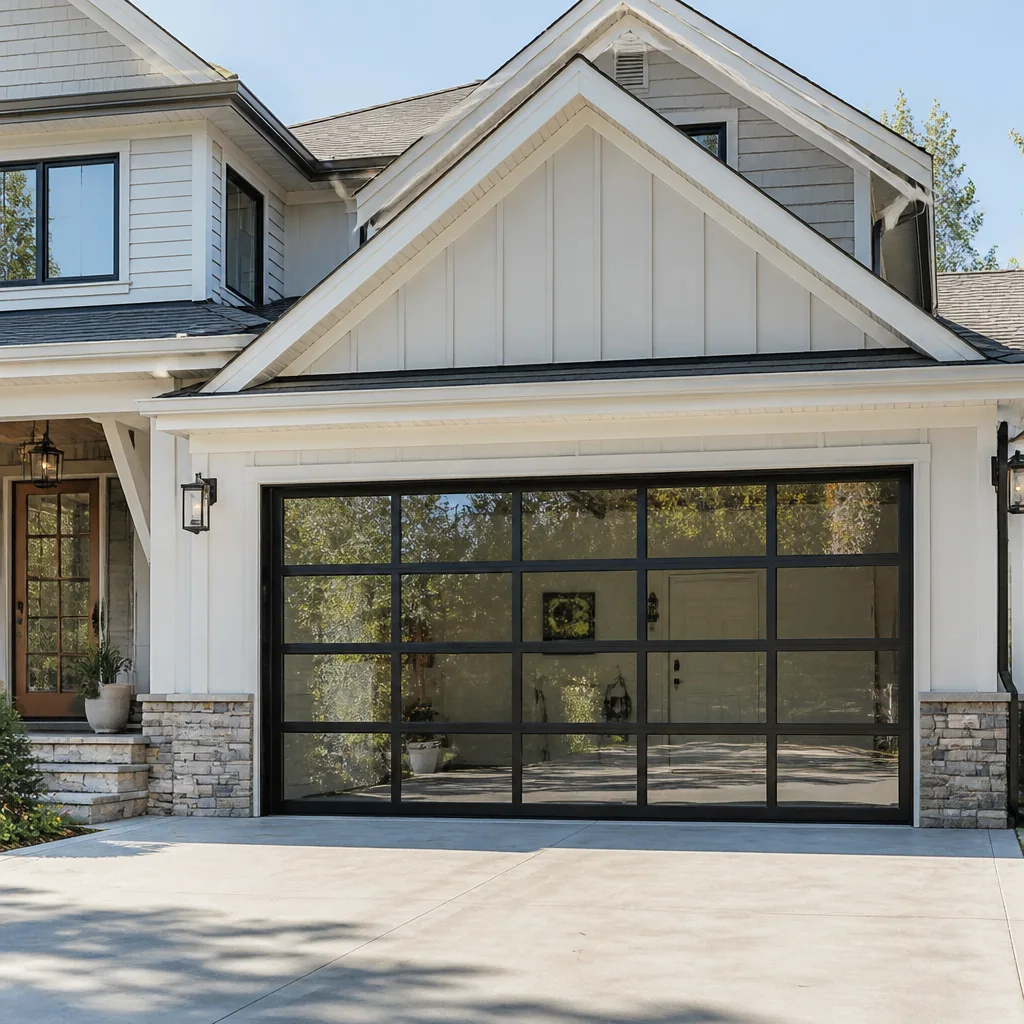 Full-view glass
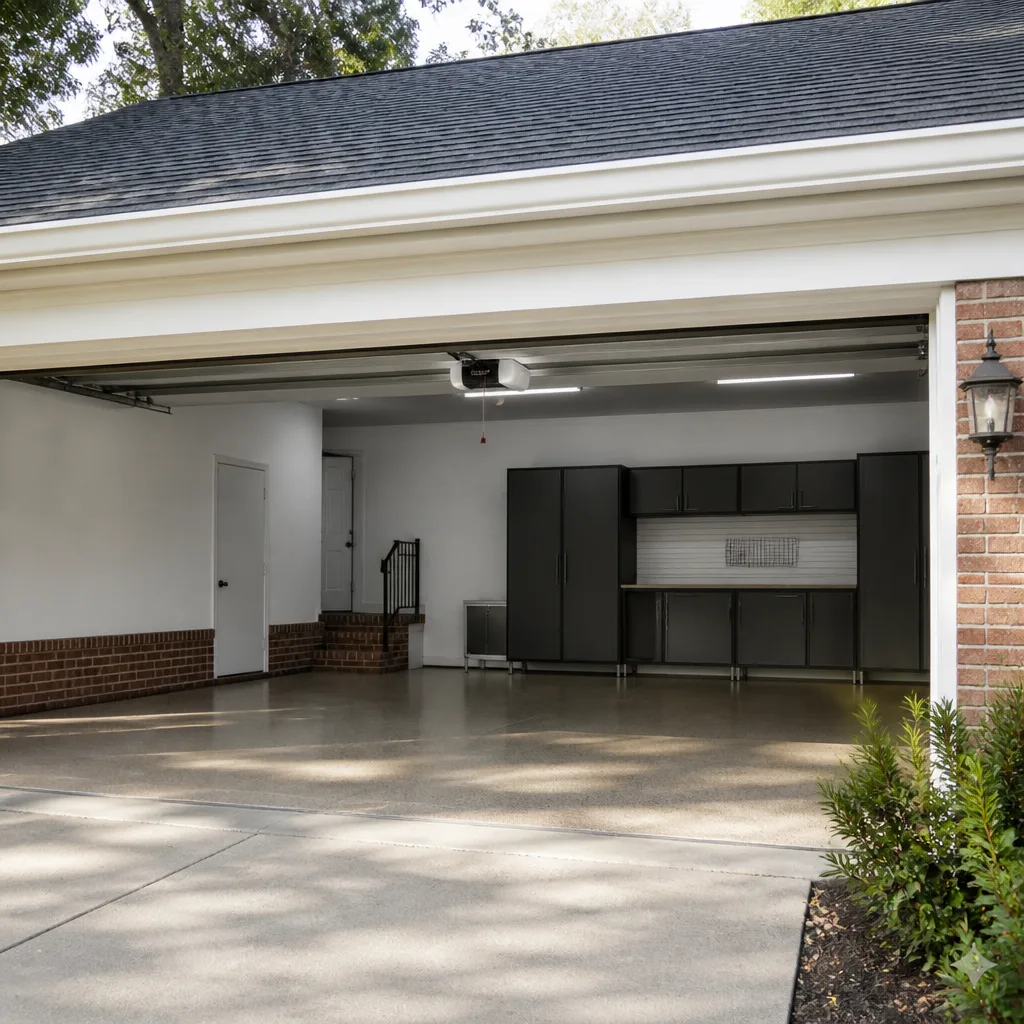 LiftMaster openers
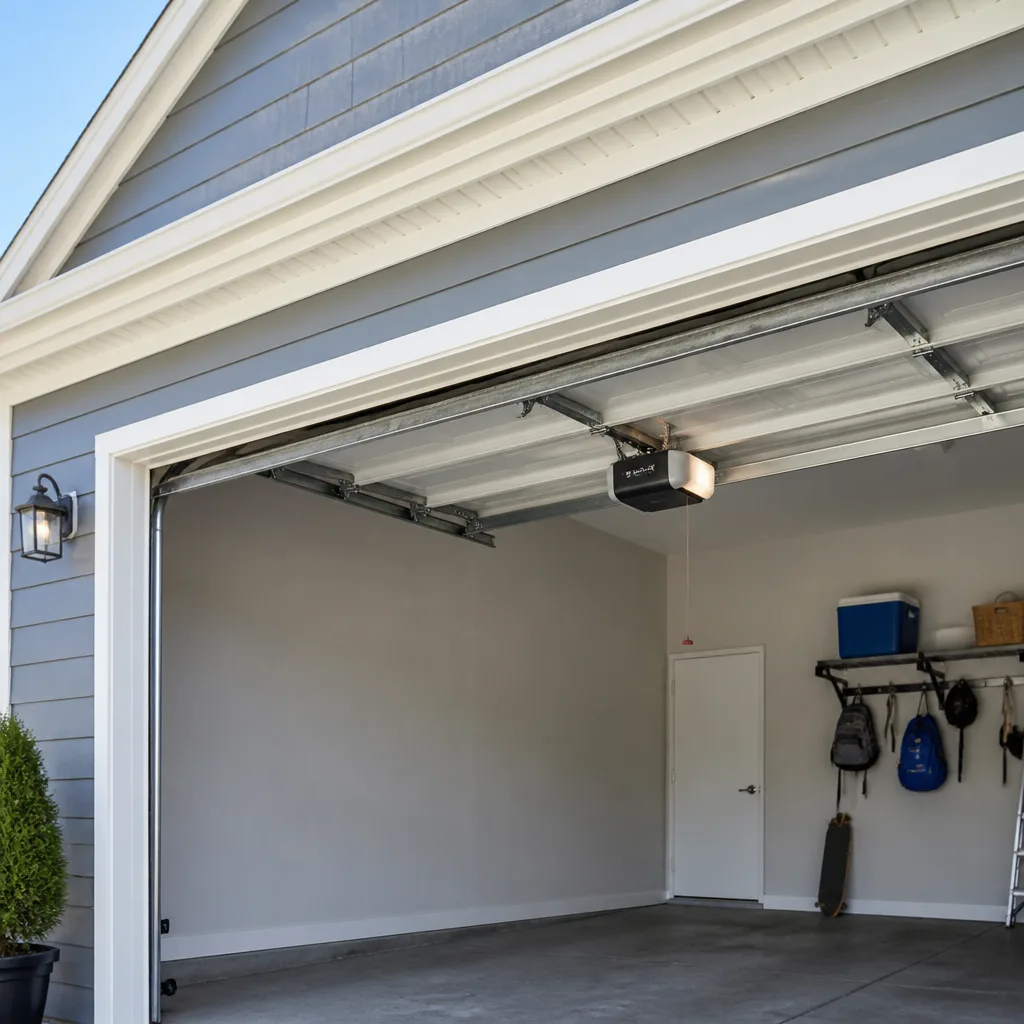 Chamberlain openers
Full 25-point door and opener safety check with every visit - springs, cables, rollers, tracks, and your LiftMaster or Chamberlain opener included
You get a price before we start. It does not change when the pro arrives.
Get your free estimateGarage Door Warning Signs: A Westminster Homeowner’s Reference Guide
A garage door that opens unevenly by even two inches is already telling you a spring is losing tension. Most homeowners wait until it fails completely, which is when the spring becomes genuinely dangerous. The gap between a noisy roller and a failing torsion spring is the difference between a maintenance item and a hazard you shouldn’t touch. This guide classifies every common warning sign by urgency – stop using the door now, schedule service this week, or monitor and maintain – and explains the physics behind each one. A homeowner in Westminster can use it to decide, in under a minute, whether to keep pressing the button or call a specialist.
Quick Answer
Garage door warning signs fall into three urgency tiers. Tier 1 (stop using the door): a snapped spring, a door that hangs crooked, a broken cable, or a door that reverses on its own. Tier 2 (schedule service this week): grinding or popping sounds, doors that move in jerks, unbalanced lifting, and openers that strain. Tier 3 (monitor and maintain): squeaking, minor rattles, a slow roller, or a light that flickers. If you’re unsure which tier your symptom belongs to, stop using the door and get it looked at.
Styles & brands we work with
- Raised-panel steel
- Carriage house
- Modern flush
- Full-view glass
- LiftMaster openers
- Chamberlain openers
Table of Contents
- The Three-Tier Urgency System
- Why a Slight Tilt Is a Serious Signal: The Physics
- Audio Diagnostics: What Each Sound Tells You
- The Safe Ground-Level Visual Inspection
- The Compounding Failure Pattern (and Cost Escalation)
- Spring and Cable Warnings: The Don’t-Touch Tier
- How Westminster’s Climate and Housing Age Show Warning Signs
- Opener Warning Signs Specific to Your Brand
The Three-Tier Urgency System That Classifies Every Symptom
Not every garage door symptom deserves the same response. Treating all of them the same way is how homeowners turn a minor fix into a spring failure or a panel replacement. Here’s how we classify what we see in Westminster.
Tier 1 – Stop using the door now. These signals indicate active structural danger. Do not open or close the door. Don’t try to “test it one more time.” Each of these can drop the door or throw parts:
- A snapped torsion spring (you’ll see a clean gap in the coil above the door, or the door won’t lift at all)
- A door hanging visibly crooked or sagging on one side
- A visible break or fray in a lift cable
- Loud, sudden banging followed by the door dropping
- The door reverses immediately without the safety sensors being blocked
- A door that gets stuck halfway and won’t budge
Tier 2 – Schedule service this week. The door still works, but something is wearing or already failing. These problems compound quickly. They include grinding or popping sounds, jerky movement, doors that lift unevenly but still open, openers that strain or hesitate, and a door that runs but feels “heavy.”
Tier 3 – Monitor and maintain. Normal wear. Squeaking, minor rattles, a light that flickers, a roller that feels stiff. None of these require immediate service, but they’re worth handling during a routine tune-up. garage door repair on Tier 3 items today prevents a Tier 2 bill next month.
Why a Slight Tilt Is a Serious Signal: The Physics of a Failing Door
A torsion spring is a tightly wound coil that stores the mechanical energy to lift a 150-250 pound door. It’s balanced against the door’s exact weight so a single person (or a given opener) can raise it smoothly. When the spring loses tension, the balance breaks.
Here’s what that looks like: as one side of the spring winds down at a different rate, one side of the door lifts with less force than the other, and the door tilts. Two inches of tilt at the top of a 7-foot door means the cable on the low side is now carrying more of the door’s weight than it was designed to carry. That’s why we treat even a slight tilt as serious. The visible symptom is small. The load on the cable and track is not.
Same principle for a jerky door. A door that stutters as it lifts is revealing that the tracks, rollers, and spring balance are no longer in agreement. The opener is compensating with extra force, which strains the motor. Leave it long enough and the motor, the spring, or both fail together. We recommend a professional look at any door that doesn’t move in one smooth motion from the floor to the header.
Westminster homes built in the 1980s and 1990s, which make up a large share of neighborhoods like Sherrelwood and Northglenn-adjacent blocks, often still have original openers running the original doors. When a door starts behaving differently, it’s rarely the opener alone. It’s the opener absorbing the symptoms of a spring that’s been quietly winding down for years.
Audio Diagnostics: What Each Sound Tells You About the Failing Component
Garage door sounds are specific. Each one points to a component. Stand in the driveway and listen once while someone else (a family member) operates the door, then match against this list:
- Grinding – Usually a dry or worn roller against a track, or a roller that’s seized and dragging. Sometimes metal debris inside the track from a bent edge. Grinding tends to start slowly and get louder over weeks. Tier 2.
- Popping or snapping – A torsion spring winding or a slight crack beginning to propagate in the coil wire. Sometimes it’s a loose panel bolt. Popping from the header area, near the spring bar, warrants a stop-and-call.
- Squealing – Dry hinges, rollers, or spring coils without lubrication. Usually benign. A quick lube helps for a while. Tier 3.
- Banging – The loud metal-on-metal bang you hear when the door “bounces” at the top or bottom. Indicates a limit switch out of adjustment or a broken spring that’s let the door fall the last inches. If it happens mid-travel, stop.
- Clicking then silence – Opener engages the motor, doesn’t move the door. Usually the opener’s gear, the emergency release has been pulled, or a stripped trolley. Not dangerous, but the door is stuck.
- Rattling – Loose panel fasteners, worn rollers, or a loose track bolt. Not urgent, but a rattling door over time works fasteners loose further. Tier 3 with a plan to address.
This is a list of diagnostics, not repairs. If any sound is accompanied by a visible break, a snapped spring, or a crooked door, treat it as Tier 1 and call before touching anything.
The Safe Ground-Level Visual Inspection You Can Do Today
You don’t need to touch anything to catch most garage door problems early. The key phrase is ground level – do not climb, do not reach up to the spring bar, and do not touch cables. Here’s a safe inspection protocol homeowners in Westminster can run in three minutes:
- Look at the door from outside. From the driveway, is the door even with the floor across its width? Even a two-inch gap on one side is a signal. Look at the top edge for tilt.
- Inspect the springs from a distance. You can see the torsion spring bar above the door and the extension springs running parallel to the tracks (older doors). Look for a visible gap in a coil – that’s a snapped spring. Do not reach toward it.
- Walk the tracks. Look for dents, kinks, or a bent bracket. Tracks should be straight and parallel. Any sign of a bend means the door is running off its path.
- Look at the cables. The lift cables run from the bottom corners of the door back along the tracks. From ground level, look for a fray, a kink, or slack. Do not tug on them.
- Test the safety reversal. With the door open, place a brick or piece of wood in the door’s path and hit the down button. The door should reverse on contact. If it doesn’t, close the gap in the sensor or skip the door until it’s fixed.
- Test the balance. Disengage the opener with the manual release (pull the red cord), lift the door halfway by hand, let go. A balanced door stays put. A door that slides down or up on its own is unbalanced.
If any step reveals a spring, cable, or structural problem, that’s a garage door repair call, not a DIY fix. Springs and cables are under too much tension to work on safely without the right tools and training. We tell every Westminster homeowner the same thing: look, don’t touch.
The Compounding Failure Pattern (and Why Costs Escalate)
Here’s the pattern we see on Westminster doors, almost weekly:
A worn roller causes the door to run slightly off-line. The door now catches on the track at one corner. That friction strains the spring balance, and one side of the spring takes more load than the other. The spring weakens faster. The tilt starts. The door’s weight shifts onto the cable. The cable begins to fray. Now the homeowner has a roller problem, a track problem, a spring problem, a cable problem, and a panel problem – all from the same origin.
The cost difference is real. A roller set replaced early is a small repair. A track and panel replacement on top of spring and cable service is a much larger job. And the final stage – a door that drops on a car, a panel, or a person – is not measured in dollars at all.
That’s the reason we treat warning signs as a cascade, not isolated events. Every Tier 2 symptom you call in is a Tier 1 you avoid. If your door shows more than one warning sign at a time, call and describe them all – we can triage over the phone and send the right set of parts and the right technician the first time.
Spring and Cable Warnings: The Tier Where You Stop and Call
We isolate springs because they are the highest-risk component on any garage door. A torsion spring under full tension stores the same force as the door’s weight. When it fails, it fails with force. Cables are under continuous tension too, and a snapped cable whips. We don’t give homeowners step-by-step instructions on spring or cable work, and no reputable specialist will – it’s not a job you can safely diagnose from a video.
Treat these as immediate stop-use signals:
- A gap in the torsion spring coil above the door
- Two pieces of spring hanging where there used to be one
- A loud bang followed by a door that won’t lift
- A visible kink in the cable near the bottom bracket
- The door hanging by one corner, level cable missing on one side
Spring repair is a named specialty of ours – garage door spring repair on its own is a job most generalists won’t touch. We service torsion and extension springs across the leading brands, including Clopay and Amarr door systems installed throughout Westminster. When a spring needs replacing, we replace it in matched pairs, because a single new spring paired with an old one will fail early. If we’re already on site for a spring issue, we’ll inspect the cables and rollers too, and quote everything before we lift a tool.
How Westminster’s Climate and Housing Age Send Warning Signs
Westminster sits at the base of the Front Range, and the temperatures swing hard – hot summer afternoons and hard overnight freezes in winter. Those swings matter for garage doors more than most homeowners realize. Metal expands and contracts with temperature. Springs wind and unwind every degree the metal shifts. Cables stretch and tighten. Over hundreds of these cycles a year, a spring that was “fine” in June can crack in February.
The winter freeze-thaw pattern also works on door panels and seals. A door that seals tight in summer may show daylight at the bottom edge by mid-January. That’s not a warning sign of a failing door – but it is a warning sign that the bottom seal needs replacement before cold air and moisture get inside the garage.
Age of housing matters too. Doors on Westminster homes built in the 1970s and 1980s are often on their second or third spring. If the door has never had a spring replacement, budget for it now rather than waiting for the snap. Doors on newer construction (north Westminster, the neighborhoods near the rec centers and open space) tend to be under ten years old and mostly show Tier 3 signs – a squeak, a stiff roller – that respond well to routine maintenance.
A dedicated garage door repair specialist who works in Westminster every week knows which doors match which housing era and can spot the difference between a spring that’s fully cooked and one with years left. That’s the reason we focus only on garage doors – it’s the only trade we know, and we know it completely.
Opener Warning Signs Specific to Your Brand
Openers don’t usually warn you audibly – they warn you through behavior. Different brands show different early symptoms, and knowing the brand matters. We work on eight major brands: LiftMaster, Chamberlain, Genie, Clopay, Amarr, Wayne Dalton, Craftsman, and Raynor. Between them, they cover the vast majority of doors in Westminster homes.
Watch for these opener signals:
- Slow lift or hesitation – often the opener straining against a weakening spring. The opener is compensating for the door, which strains the motor and gear.
- Door reverses for no reason – safety sensors are misaligned, or the travel limits have drifted. Recheck the sensor LEDs first; if they’re fine, the opener needs adjustment.
- Remote range dropping – usually batteries, but on older LiftMaster and Chamberlain systems it can also be a failing logic board.
- Clicking with no movement – gear or trolley issue. Common on older Craftsman and Wayne Dalton openers.
- Door moves in one direction only – limit switch or capacitor failure. Needs an opener repair, not a full replacement.
If your garage door opener repair turns out to need a replacement opener rather than a fix, we’ll quote that too. No surprises after the fact.
Common Mistakes to Avoid
- Treating a slight tilt as “one of those things.” A two-inch tilt is a spring already out of balance. Waiting two weeks usually turns a spring replacement into a spring plus cable plus track repair.
- Trying to lubricate a spring yourself. Lubricating rollers and hinges is safe and useful. Reaching up to the spring coil, or trying to “just loosen” a cable tensioner, is where homeowners get hurt. Don’t do it.
- Forcing a door that’s stuck. Pushing the door manually with the opener engaged can strip the trolley or warp a panel. Use the manual release first. If the door still won’t lift, stop.
- Running a door with a broken spring “for a few days.” When the spring snaps, the door’s full weight is on the opener and cables – which are not rated for it. One or two cycles can bend the opener arm and stretch a cable. Every cycle is risk.
- Replacing one spring only. A matched pair is the standard, because springs wear at the same rate. A single new spring paired with an old one will fail early and you’ll pay twice.
- Ignoring the “safe ground level” rule and standing under the door. Do not stand under an open garage door, ever. If it fails while you’re beneath it, the door comes down on you. Move out of the door’s path before you test it.
- Calling a general handyman for a torsion spring. Springs are a specific, dangerous specialty. A Westminster homeowner hiring a generalist for a spring job is likely to get a second visit, a longer bill, or a call to a specialist anyway – after the first attempt.
See the difference
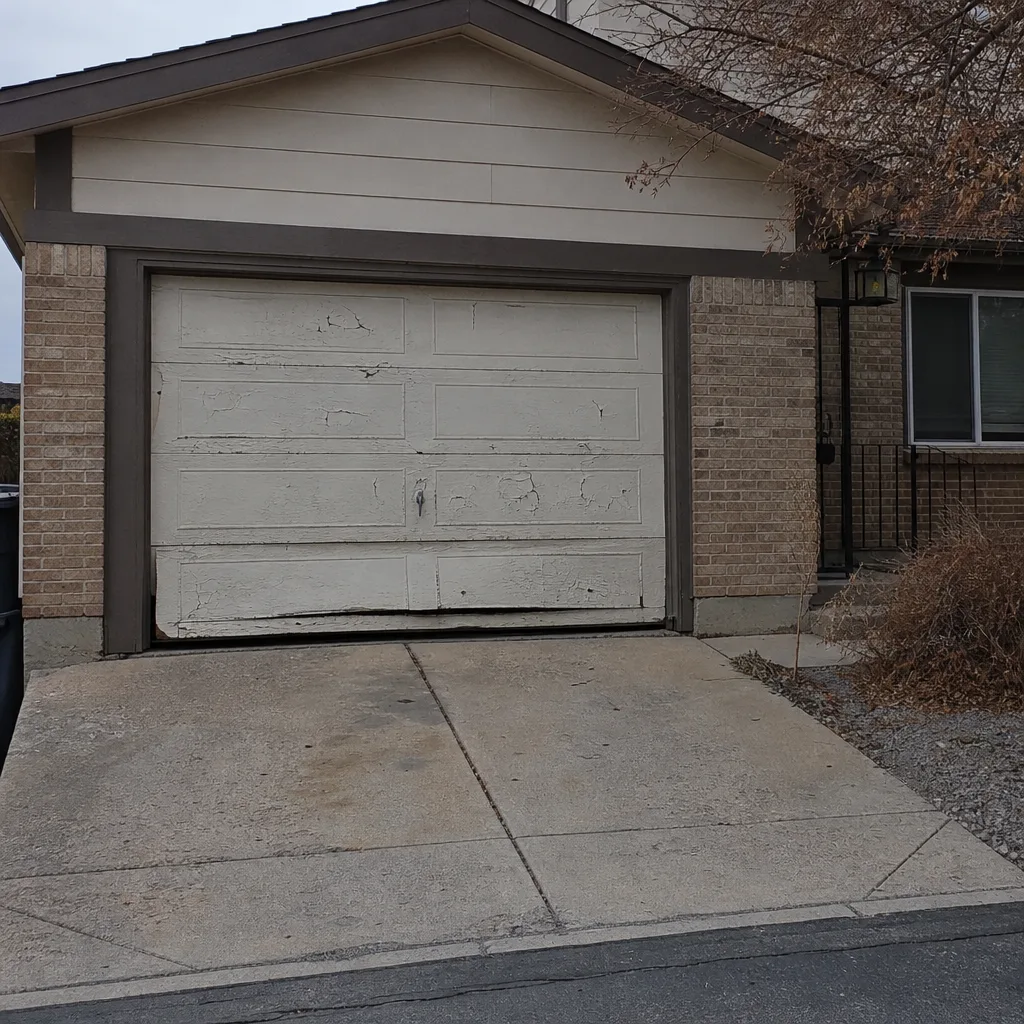 Before
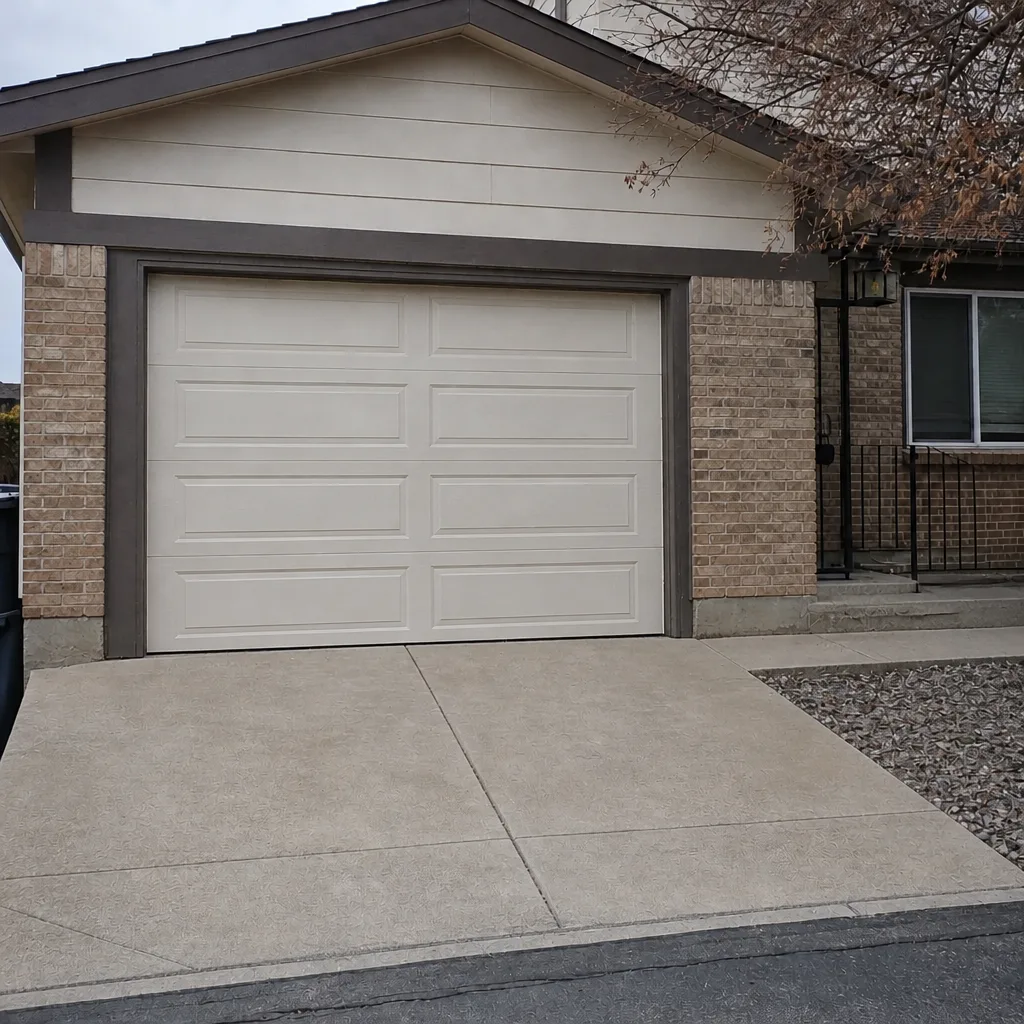 After
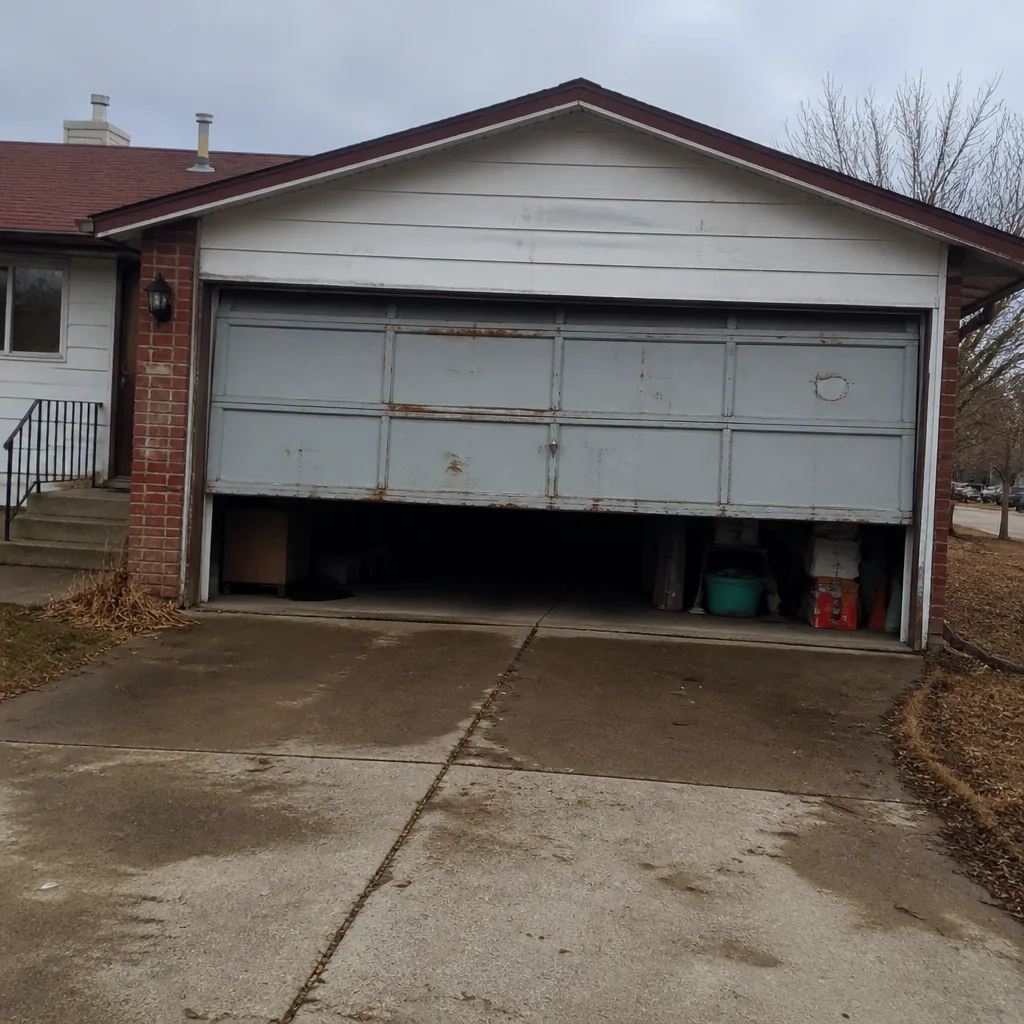 Before
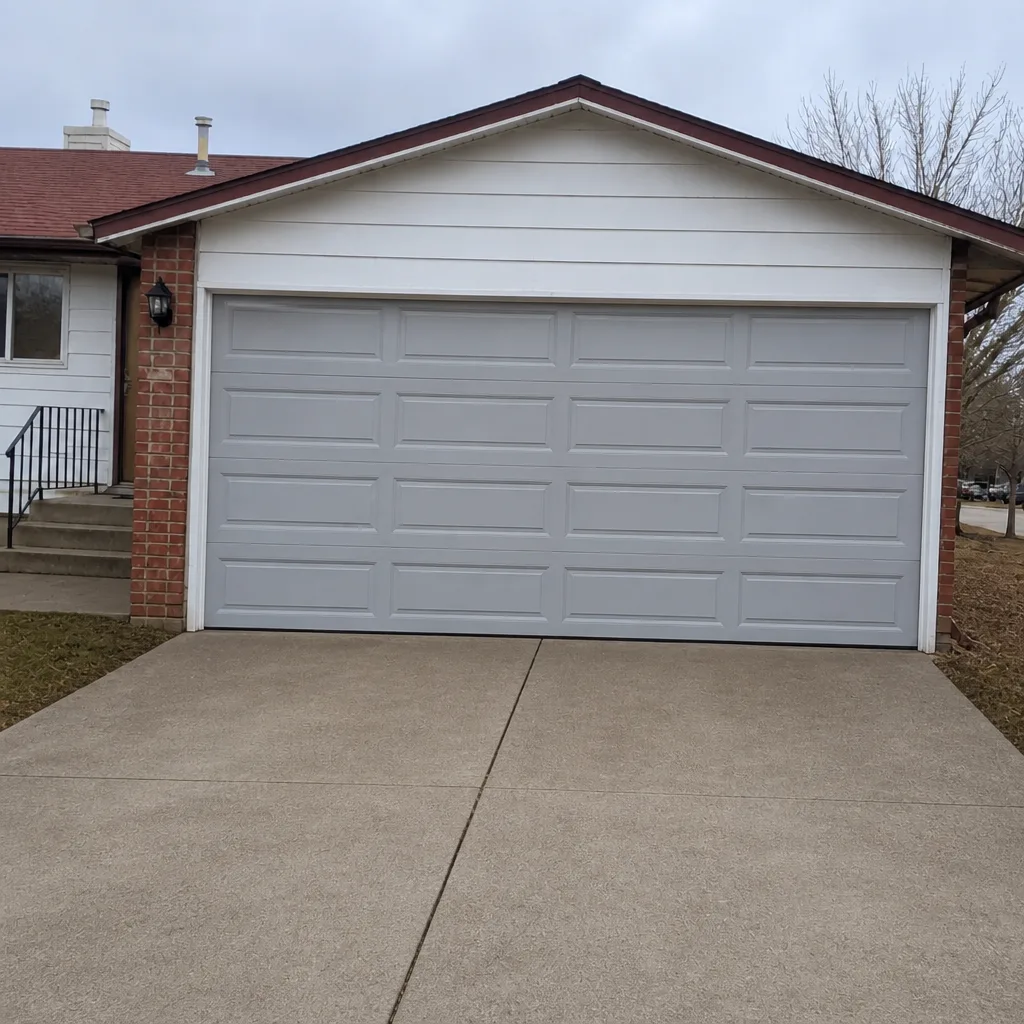 After
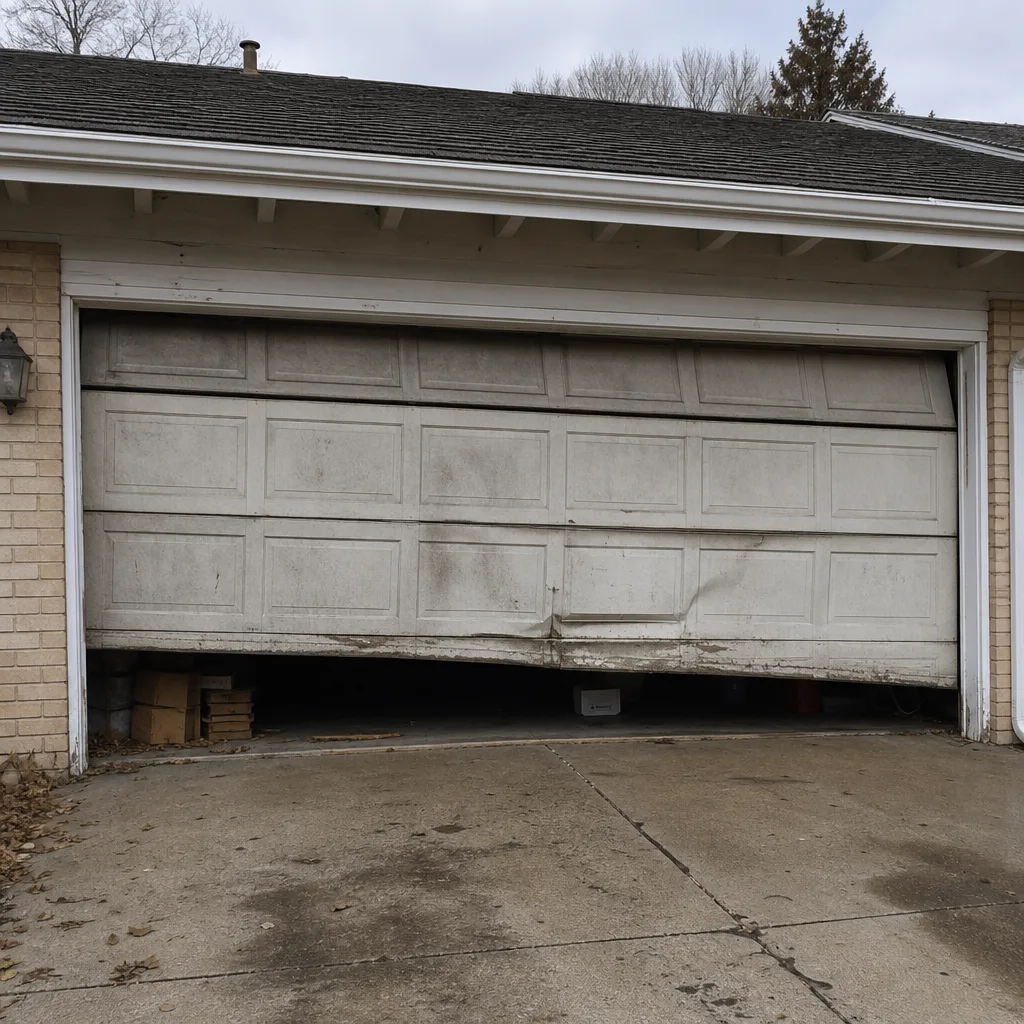 Before
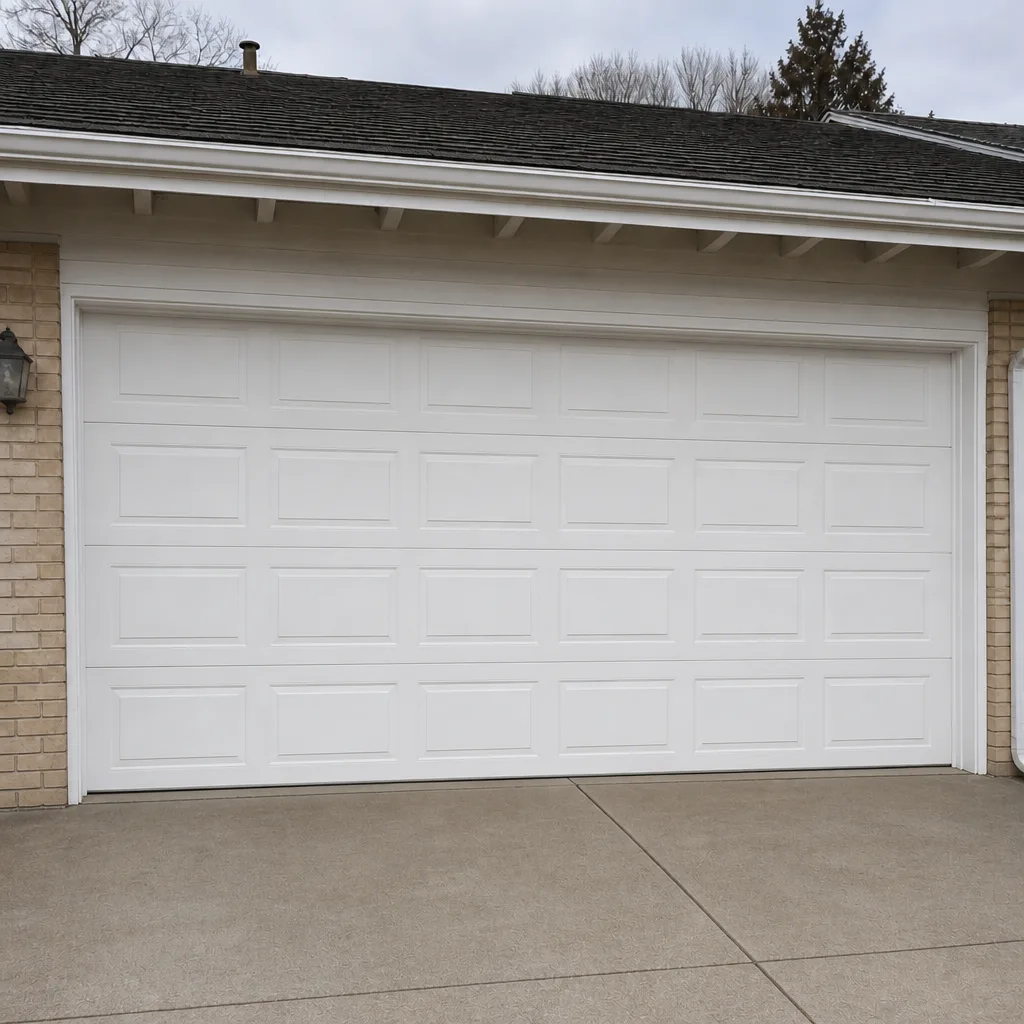 After
When to Call a Professional
Call us if any of these are true: the door is tilted, the spring is visibly broken, the door reverses without obstruction, the door is stuck or won’t lift, you see a fray in the cable, or the door has become harder to move by hand than it used to be. Those are the calls we want to hear – early is much better than late. We’re a garage door specialist, not a general contractor. Every technician, every tool, every process on our end is built around garage doors, and our technicians have up to 12 years of experience.
Westminster Garage Door Repair Co offers free estimates in Westminster – call (888) 845-7027.
Frequently Asked Questions
A snapped torsion spring is the most dangerous, because the door’s full weight is suddenly on components not designed to hold it, and the snapped spring is under force when it lets go. Treat it as an immediate stop-use signal and don’t try to lift the door. Call (888) 845-7027 for a same-day assessment.
No. A tilt of one to two inches means one side of the spring is out of balance, and the low side of the cable and track is carrying load it wasn’t designed for. Keep the door closed and call for a repair. Continuing to run a tilted door is how a spring replacement becomes a spring, cable, and track repair.
Typical spring replacement in the Westminster area runs $180 to $340 for one spring, and matched pairs are usually replaced together, so a pair runs roughly $360 to $680. Prices depend on door weight, spring type (torsion vs. extension), and brand. We quote and you approve the price before any work starts – the written estimate sets the final price. Call (888) 845-7027 for a free estimate.
For repair calls, yes – we run same-day service for most issues in Westminster and dispatch fast from 7am to 7pm. If your call comes in for a spring or cable issue on a Saturday, we’re closed that day and will book you for Sunday. Call (888) 845-7027.
Roller grinding usually starts soft and builds over weeks; track grinding is often louder and starts suddenly after the door hits something. Either way, the cause is friction in the door’s path, and both are Tier 2 issues worth service this week. Call (888) 845-7027 and we’ll triage it over the phone before we come out.
No, but it’s a Tier 2 warning. A door that moves slowly is usually telling you the spring balance has weakened or the opener is straining – both lead to a bigger failure if ignored. Move it to the top of your fix-it list. Free estimates are available in Westminster – call (888) 845-7027.
Yes. Craftsman, LiftMaster, Chamberlain, Genie, Clopay, Amarr, Wayne Dalton, and Raynor are all brands we work on regularly. Our technicians have up to 12 years of experience across those brands. Your Craftsman opener is a system we service regularly – no guesswork, no learning curve. Call (888) 845-7027 to book.
Once a month is a good habit. It’s a 30-second test with a brick or piece of wood in the door’s path. If the door fails to reverse, don’t run it again until the sensors are adjusted or replaced. A garage door that doesn’t reverse is a serious safety issue. Call (888) 845-7027 and we can fix sensors and travel limits in a single visit – the parts for most brands are on hand.
The Bottom Line
Every garage door warning sign is a signal, but not every signal means the same thing. Snapped springs, tilted doors, and broken cables are Tier 1 – stop using the door. Grinding, jerking, and straining openers are Tier 2 – schedule service this week. Squeaks and rattles are Tier 3 – monitor and maintain. The physics of every warning sign comes down to balance: a spring, a cable, and a track keeping a heavy door level. When balance breaks, everything downstream breaks faster.
We’re a garage door specialist in Westminster. Repair, opener service, spring repair, installation, and parts – one call covers it, and the written quote before we start is the only price you’ll see. For more on specific services, see garage door opener repair and garage door installation.
Need a warning sign looked at? Call us at (888) 845-7027 for a free estimate. Westminster Garage Door Repair Co is a garage door specialist serving Westminster with repair, opener repair, spring repair, installation, and parts for LiftMaster, Chamberlain, Genie, Clopay, Amarr, Wayne Dalton, Craftsman, and Raynor brands. We’ll triage by phone, quote in writing, and arrive with the parts on hand to fix it the first time. Westminster Garage Door Repair Co – professional garage door service, one call.
Written by the team at Westminster Garage Door Repair Co.