Last updated November 23, 2026
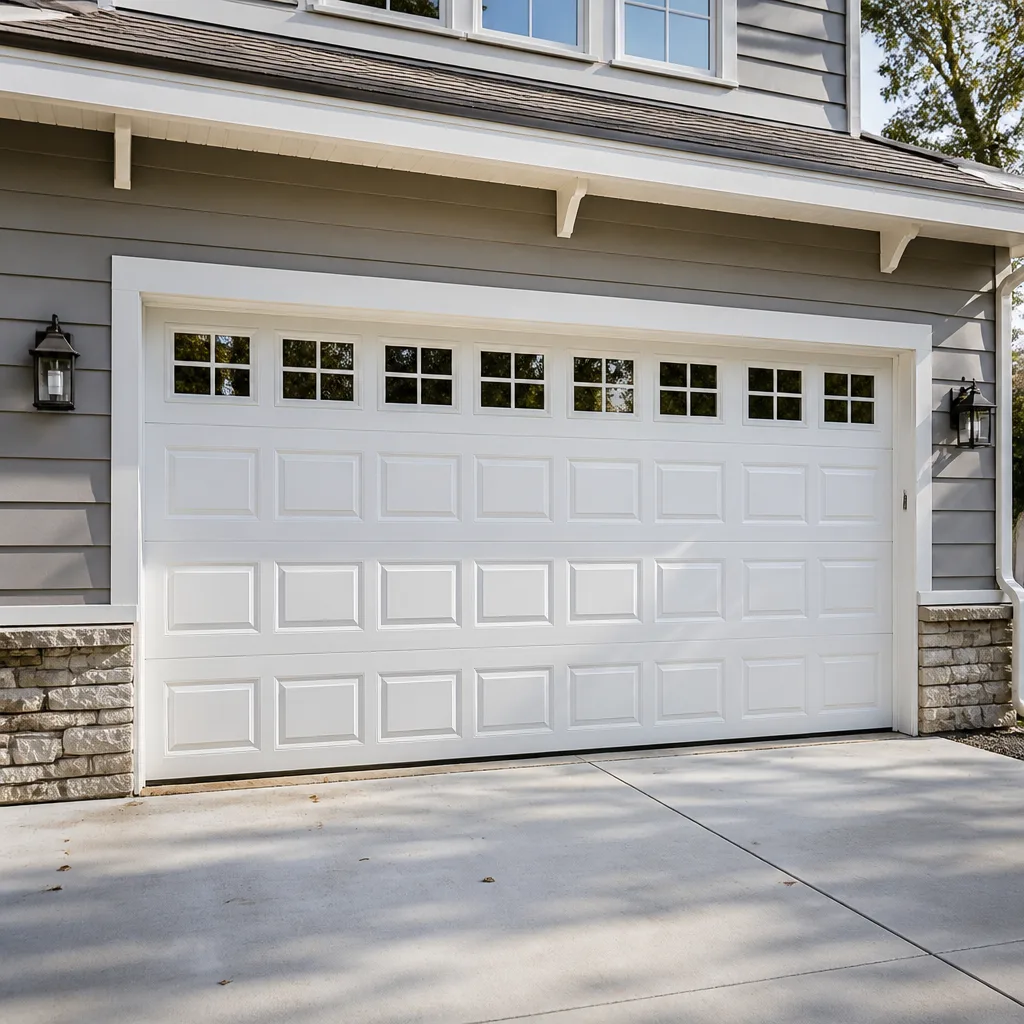 Raised-panel steel
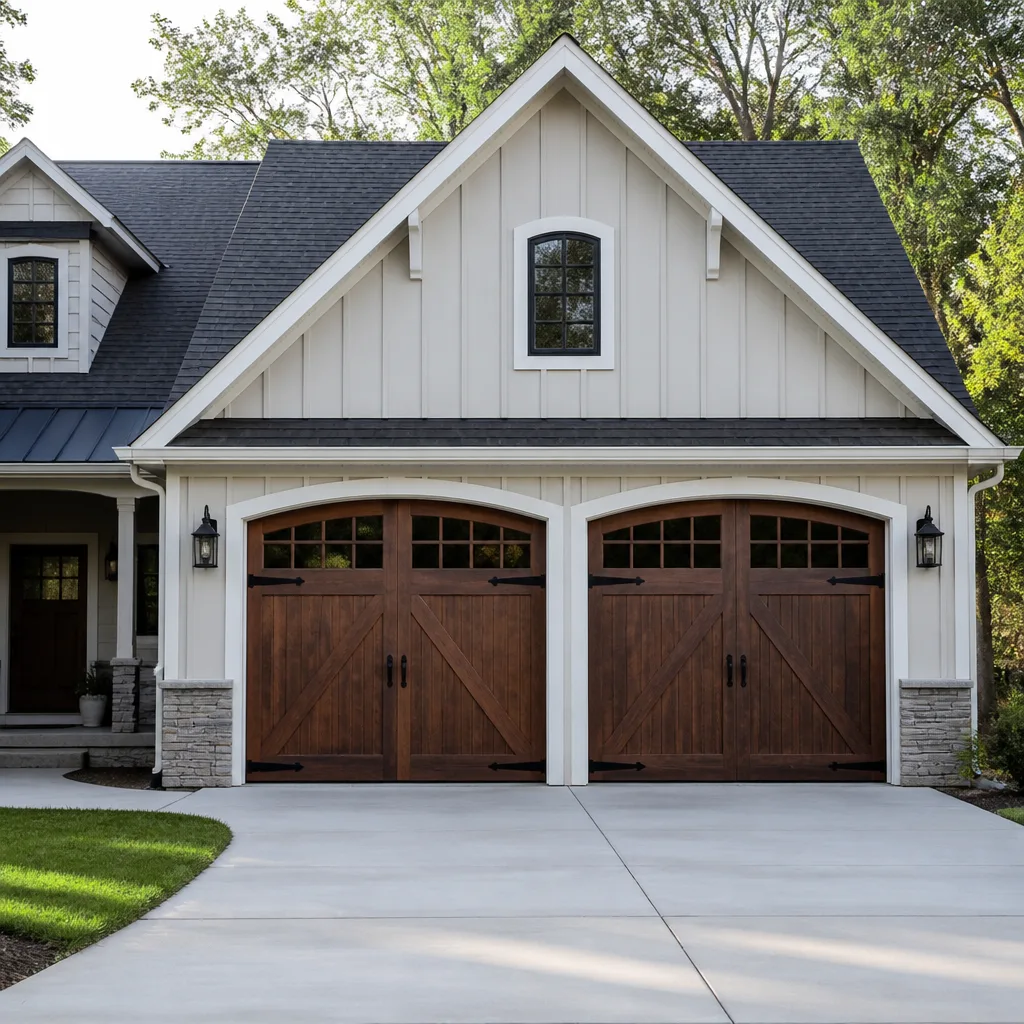 Carriage house
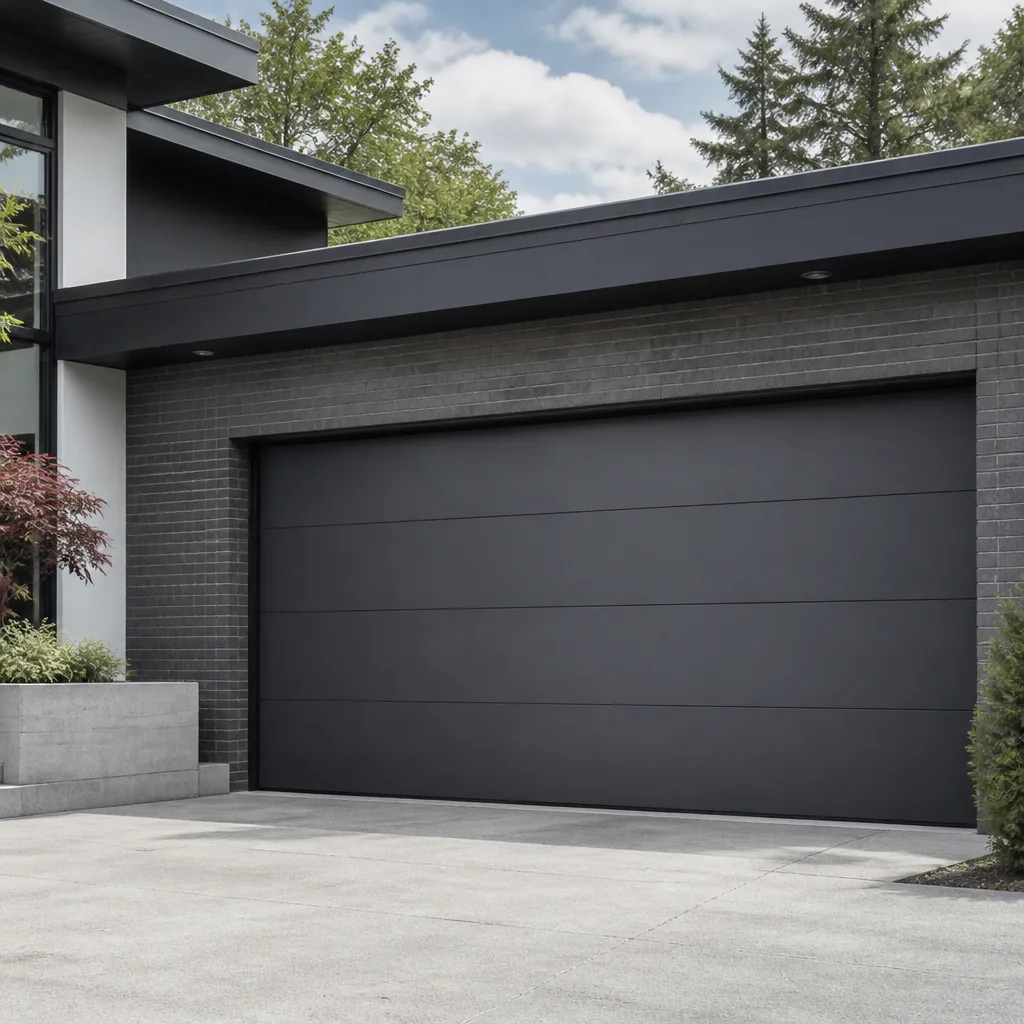 Modern flush
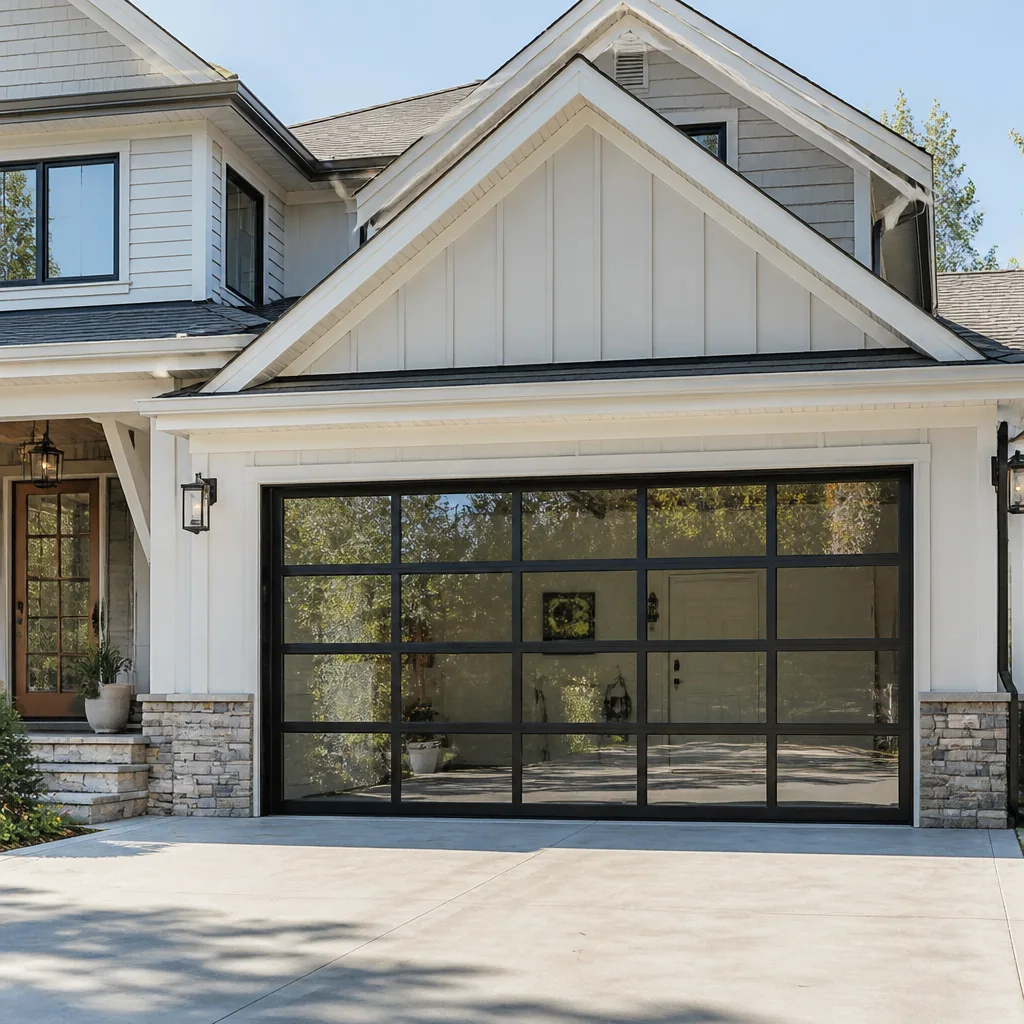 Full-view glass
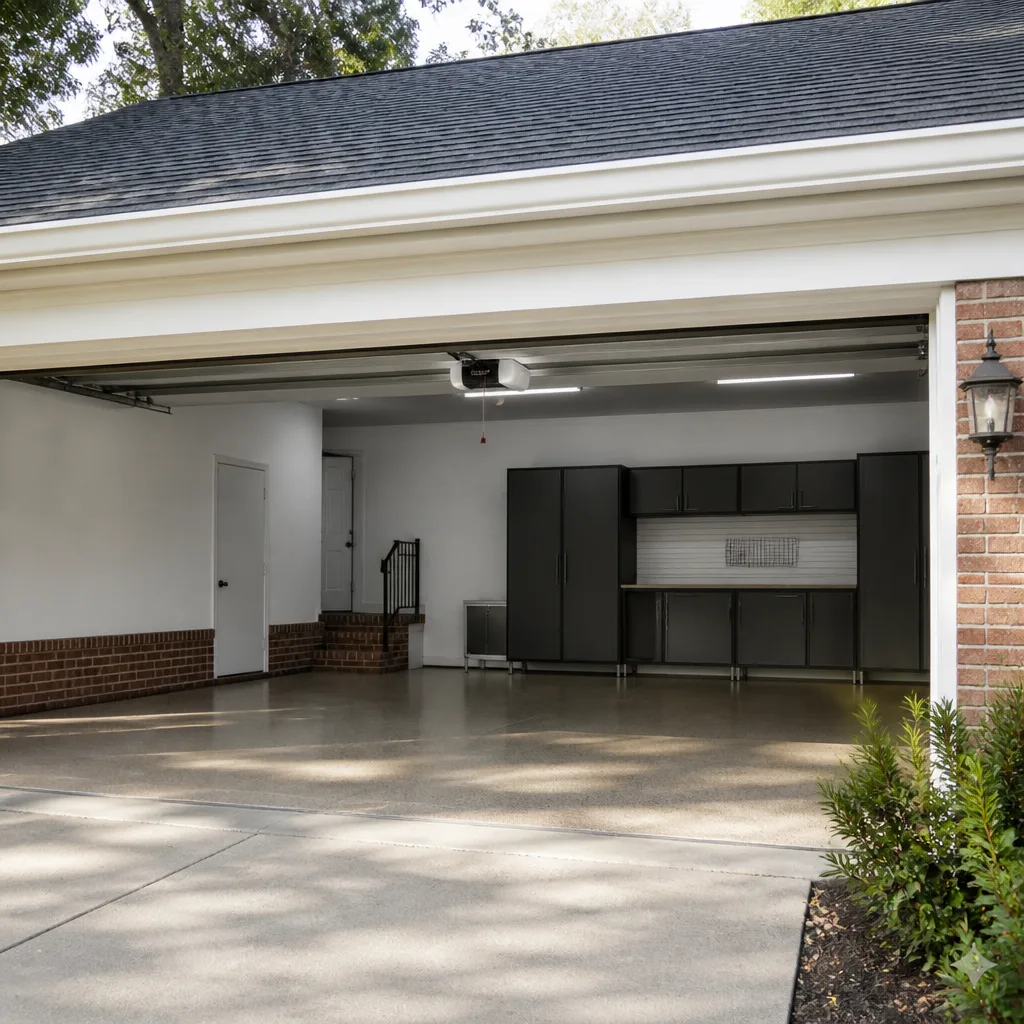 LiftMaster openers
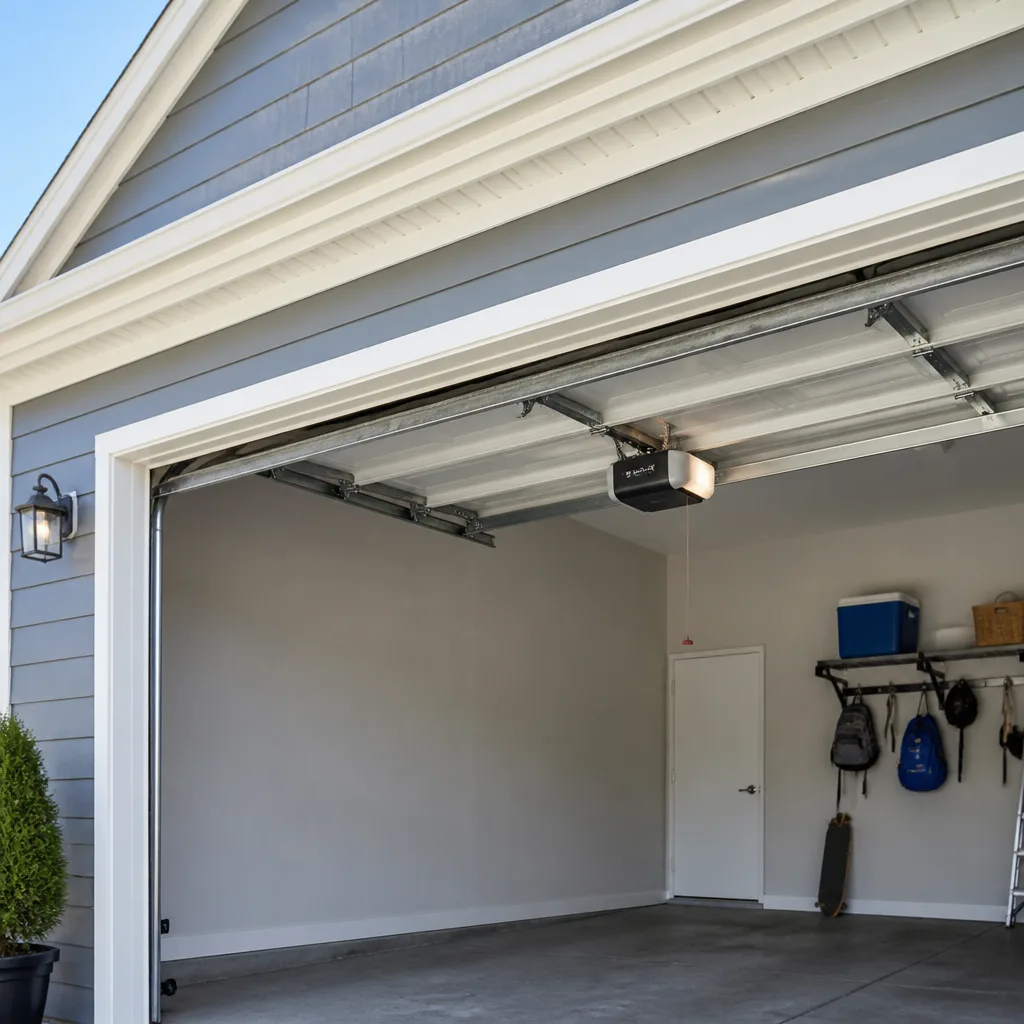 Chamberlain openers
Full 25-point door and opener safety check with every visit - springs, cables, rollers, tracks, and your LiftMaster or Chamberlain opener included
You get a price before we start. It does not change when the pro arrives.
Get your free estimateDIY vs Professional Garage Door: The Westminster Homeowner’s Decision Guide
Here’s the part most garage door advice gets wrong: the line between a DIY job and a pro job isn’t about how handy you are. It’s about which specific parts of the door carry physical risk that skill can’t fully remove. A torsion spring can store roughly 100 foot-pounds of torque when wound. That’s not a scare tactic, it’s the physics that decides who should touch what. Some garage door tasks are genuinely fine for a careful homeowner. Others can hurt you no matter how many videos you’ve watched. This guide draws that line task by task, so Westminster homeowners don’t guess in either direction.
Quick Answer
Minor garage door tasks like programming a remote, lubricating moving parts, and replacing weatherstripping are safe DIY projects for most Westminster homeowners. Anything involving torsion or extension springs, cables, the opener’s internal wiring, or a door that has come off its track should be handled by a trained technician, because those parts store energy or carry weight that can cause serious injury if released incorrectly.
Styles & brands we work with
- Raised-panel steel
- Carriage house
- Modern flush
- Full-view glass
- LiftMaster openers
- Chamberlain openers
Table of Contents
- The Three-Tier Task List: Safe DIY, DIY With Caution, and Professional-Only
- Why Springs and Cables Are Categorically Different
- Opener Programming and Maintenance: A Genuinely Safe DIY Zone
- The Real Cost Comparison in Westminster
- What Goes Wrong Most Often With DIY Attempts
- How to Tell When a Simple Job Has a Hidden Complexity
- Westminster Climate, Housing, and Why It Matters
- Diagnostic Questions to Ask Before You Start
The Three-Tier Task List: Safe DIY, DIY With Caution, and Professional-Only
The garage door question isn’t a simple yes or no. Some tasks belong in your hands, some are worth a careful attempt, and some are things we’d tell our own neighbors to leave alone. Here’s how we’d sort them, and the mechanical reason behind each call.
Tier 1: Safe DIY
- Programming a remote or keypad. This is just electronics and button sequences. Nothing is under tension. Worst case, it doesn’t take and you try again.
- Lubricating hinges, rollers, and tracks. A few drops of a proper garage door lubricant reduce noise and wear. No spring or cable is involved.
- Replacing weatherstripping and bottom seals. The rubber seal at the bottom of the door and the trim around the opening are low-risk. You’re dealing with the door body, not the lifting mechanism.
- Clearing debris and checking balance by eye. Looks safe, and it is, as long as your “check” is just watching and listening from the floor, not disconnecting anything.
Tier 2: DIY With Caution
- Replacing rollers or hinges. Doable while the door is fully open and locked in place, but the door must be secured so it can’t fall. If the door won’t stay up on its own, stop.
- Tightening track brackets and hardware. Small adjustments are fine, but if the track is bent or the door has shifted sideways, alignment gets more involved than a screwdriver.
- Battery replacement and sensor alignment. Safe in itself, but it’s easy to mistake a sensor problem for a failed opener, which sends people down the wrong diagnostic path.
Tier 3: Professional-Only
- Torsion and extension springs. These store huge amounts of energy. A spring that lets go while you’re working on it can cause serious injury.
- Cables. Cables are what the spring pulls, and they carry the same load. A slipping cable is a snap-back hazard.
- Panel replacement on a damaged door. A bent or cracked panel changes how the door balances, and a miscalculated replacement can leave the door unstable.
- Opener internal wiring and motor repair. The electrical side of an opener isn’t the same as button programming. That’s electrical work.
If you’re unsure where a task lands, that uncertainty itself is your answer. When a garage door repair job in Westminster involves a spring or cable, it stops being a handyman project.
Why Springs and Cables Are Categorically Different
A torsion spring sits on a shaft above the door. When it’s wound, it holds the entire weight of the door in tension, balancing a two-car door that might weigh hundreds of pounds. Extension springs sit along the horizontal tracks and pull. Both store energy. The metal in a spring is under load even when the door sits still.
That’s the mechanical reason springs land in the professional-only tier. It isn’t because homeowners lack coordination. It’s because releasing a wound spring by hand has no safe margin for error. There’s no “mostly right” way to do it. A winding bar slips, or the door drops at the wrong moment, and the result can be a broken wrist or worse. We’re not dramatic about it because there’s no need to be. The physics speak for themselves.
Cables carry the same problem. A cable under tension can snap back with real force, and the steel is unforgiving. We’ve seen the aftermath of a cable job gone wrong, and it’s the kind of repair that costs far more than the original task would have.
This is our focus as a specialist shop. Spring repair is a named, isolated specialty for us because it’s the highest-risk repair in the trade, and it deserves undivided attention. When a spring fails in a Westminster home, it’s usually a clear “call now” moment, which is why we treat it that way.
Opener Programming and Maintenance: A Genuinely Safe DIY Zone
Not everything on a garage door is dangerous. Much of the routine care around an opener is something you can handle yourself with a little guidance. Here’s where we’d draw it.
Programming a remote or keypad
- Find the “learn” button on the opener motor housing. On most units it’s a small colored button near the antenna wire.
- Press it once. A light will typically blink, telling you the unit is in learn mode.
- Within a few seconds, press and hold the button on your remote.
- Wait for the opener to click or flash, confirming the remote is paired. Test it from a few feet away.
Most openers, including common LiftMaster and Chamberlain units, use this general pattern, though the exact light sequence varies. If yours won’t take, it’s usually a battery, a distance issue, or a unit already at its remote limit.
Lubricating moving parts
Use a garage door-specific lubricant, not general-purpose oil or WD-40. Hit the hinges, the roller stems, and the torsion shaft bearings. Wipe the tracks clean rather than greasing them; grease attracts grit that wears rollers faster. Once or twice a year is plenty.
Replacing weatherstripping
A worn bottom seal lets in cold air, water, and pests. Pull the old seal out of its channel or track, slide in the new one, and trim the ends. If the seal is nailed into the door rather than tracked, this is a slightly bigger job but still fine.
If your opener won’t respond after you’ve checked the remote and the sensors, that’s when it’s time for garage door opener repair. A Genie or Chamberlain unit that’s dead on arrival usually needs a component diagnosis, not a reset.
The Real Cost Comparison in Westminster
The DIY case usually rests on “I’m saving money.” Sometimes that’s true. Often it isn’t, once you count parts, time, tools, and the chance of a second repair. Let’s put real numbers next to each other so you can see the actual tradeoff.
Here’s how professional pricing usually breaks down for common jobs:
| Task | Typical professional cost (estimate) | DIY realistic total |
|---|---|---|
| Single spring replacement | $180 – $340, per spring | Parts plus risk; not recommended |
| Matched pair of springs | About twice a single spring | Same risk, doubled |
| Opener repair | Varies by part; written quote | Parts plus diagnosis time |
| New door installation | Measured and quoted | Not practical DIY |
| Weatherstripping | Low-cost if done by a pro | Genuinely DIY-friendly |
| Remote programming | Simple enough to skip | Free |
A single spring replacement in Westminster typically falls in the $180 – $340 range. A matched pair is usually replaced together, and that runs about twice the single-spring figure. Opener repair and installation are quoted per job after someone looks at the door.
Now the DIY side. You buy a spring, you might buy a winding bar set, and you burn an afternoon. If the job goes wrong, you’re not just out the parts. You’re calling in someone to fix the door plus fix your attempt. That second repair regularly costs more than the original job would have. We’ve seen that math play out too many times to sugarcoat it.
The honest comparison looks like this: for tier 1 tasks, DIY is a clear win. For tier 3 tasks, the pro price is close to the real cost of doing it yourself, minus the risk. And on a garage door repair call, you get a fixed quote before work starts, so there’s no surprise invoice after the fact.
What Goes Wrong Most Often With DIY Attempts
The mistakes we hear about tend to cluster. None of these are dumb-luck failures. They’re diagnostic misses that a trained eye catches in a minute.
- Misdiagnosing the spring as the opener. A door that won’t lift often feels like an opener problem. Usually it’s a broken spring. People buy a new opener and discover the real issue afterward.
- Replacing one spring of a pair. Springs wear together. A new spring paired with a worn one creates an imbalance that accelerates wear and complicates the door’s lift.
- Over-tightening track bolts. Tracks need to move slightly. Cranking bolts down warps the channel and makes the door bind.
- Using the wrong lubricant. Grease on the tracks traps grit and grinds the rollers. The wrong lube turns a quiet door loud in a month.
- Forcing a door that’s off its track. Pushing a misaligned door back into place risks a panel dropping and often makes the track damage worse.
- Bypassing safety sensors to get the door moving. The sensors exist to stop the door on an obstruction. Disconnecting them is the one workaround to never make.
Each of these turns a small fix into a bigger one. The pattern is consistent: the DIY attempt is fine, but the diagnosis was off, and the door pays for it.
How to Tell When a Simple Job Has a Hidden Complexity
Most bad DIY outcomes start with a job that looked simple from the driveway. Before you grab tools, run these checks yourself. They take two minutes and they tell you whether the job is what it appears to be.
- Does the door balance when you lift it by hand? Disconnect the opener (there’s a release cord) and lift the door halfway. It should stay put. If it drops or rises on its own, the springs are out of balance and that’s not a DIY adjustment.
- Is the door straight in the opening? Look at the gap on each side. A door that sits crooked signals a track or cable issue beyond a simple fix.
- Are there visible gaps or fraying on the cables? Any fray means the cable is compromised, and that puts the job in the professional tier.
- Does the door make a sharp bang or pop when it moves? That’s often a spring in the middle of failing, which needs a pro look.
- Has the door ever been hit or come off its track? Damage history changes the repair completely. A used door with a bent panel will need more than a roller swap.
If any answer points toward springs, cables, or alignment, the job isn’t in the “simple” column anymore. That’s the diagnostic moment where the DIY calculus flips.
The same rule applies on the install side. Replacing a whole door involves measuring the opening, matching the door to the opener, and handling panels that weigh more than one person can safely control. That’s a garage door installation job, not a weekend project, and the pro quote is set before work begins.
Westminster Climate, Housing, and Why It Matters
Local conditions change how often things wear out, and that shapes which DIY tasks are worth your time. Westminster sits in the Front Range climate zone: cold winters, dry summers, and rapid temperature swings that move metal more than people expect. Springs cycle through expansion and contraction all year. Seals dry out and crack faster in that cycle than they would in a mild climate. Hinges loosen and rollers wear. That wear-and-tear pattern makes the routine care tasks (lubrication, seals, balance checking) more valuable here, not less.
The local housing stock matters too. Lots of Westminster garages are attached to homes built across several decades, and some doors have been replaced once, sometimes with a mismatched combination of opener and door. A Westminster homeowner who’s new to a house may discover the opener brand doesn’t match the door brand. That’s exactly where brand-specific knowledge pays off. Our technicians have up to 12 years of experience, and we work on LiftMaster, Chamberlain, Genie, Clopay, Amarr, Wayne Dalton, Craftsman, and Raynor products regularly. A Westminster Garage Door Repair Co visit is built around the door you actually have, not a generic template.
Weather also affects the timing question. A door that sticks in winter may be fine in July. A seal that lets in cold air in January is a small fix then and a bigger one later. Westminster’s temperature swings are the reason a quick inspection from us catches problems before they fail. Every job we quote is priced per the door, and the estimate you get in writing is the number that stands.
Diagnostic Questions to Ask Before You Start
Any homeowner can do a quick self-assessment before starting a garage door task. The point is to catch the jobs that look easy but aren’t, and to give yourself permission to call in a specialist without feeling like you gave up. Ask yourself honestly:
- Does the task involve a spring, cable, or anything holding weight above my head?
- Can I secure the door so it can’t drop while I’m working?
- Do I know the brand and model of the opener and door, and does it matter here?
- Have I ruled out a spring issue before blaming the opener?
- Am I comfortable that if the job goes wrong, I’m not out more than the pro cost?
If you can answer those with confidence, you’re probably in the safe tier. If not, that’s not a failure, it’s data. When you reach the point where a repair involves the lifting mechanism, that’s our lane. We’re exclusively a garage door company, and it’s the only trade we know.
Common Mistakes to Avoid
- Assuming a door that won’t open has a dead opener. In our experience, the opener is often fine and the spring has failed. Check balance first.
- Buying a door or opener without matching them. A Clopay door and an opener can work together, but the weight and lift settings must match. That mismatch shows up as a door that opens unevenly.
- Skipping the one-year lubrication. Small, cheap care prevents roller and hinge wear that becomes a repair in Westminster’s swing seasons.
- Working on a door in the open position without securing it. A door can slip even when it looks stable. Always confirm it’s locked before reaching up.
- Cutting out the safety sensors to get moving. They protect people and pets. Never bypass them.
- Trying a spring job after a video series. Videos can’t give you a feel for winding tension, and that’s the part that matters.
- Letting a small track bump go. A slight bend gets worse over time and can turn a $40 realignment into a bigger repair.
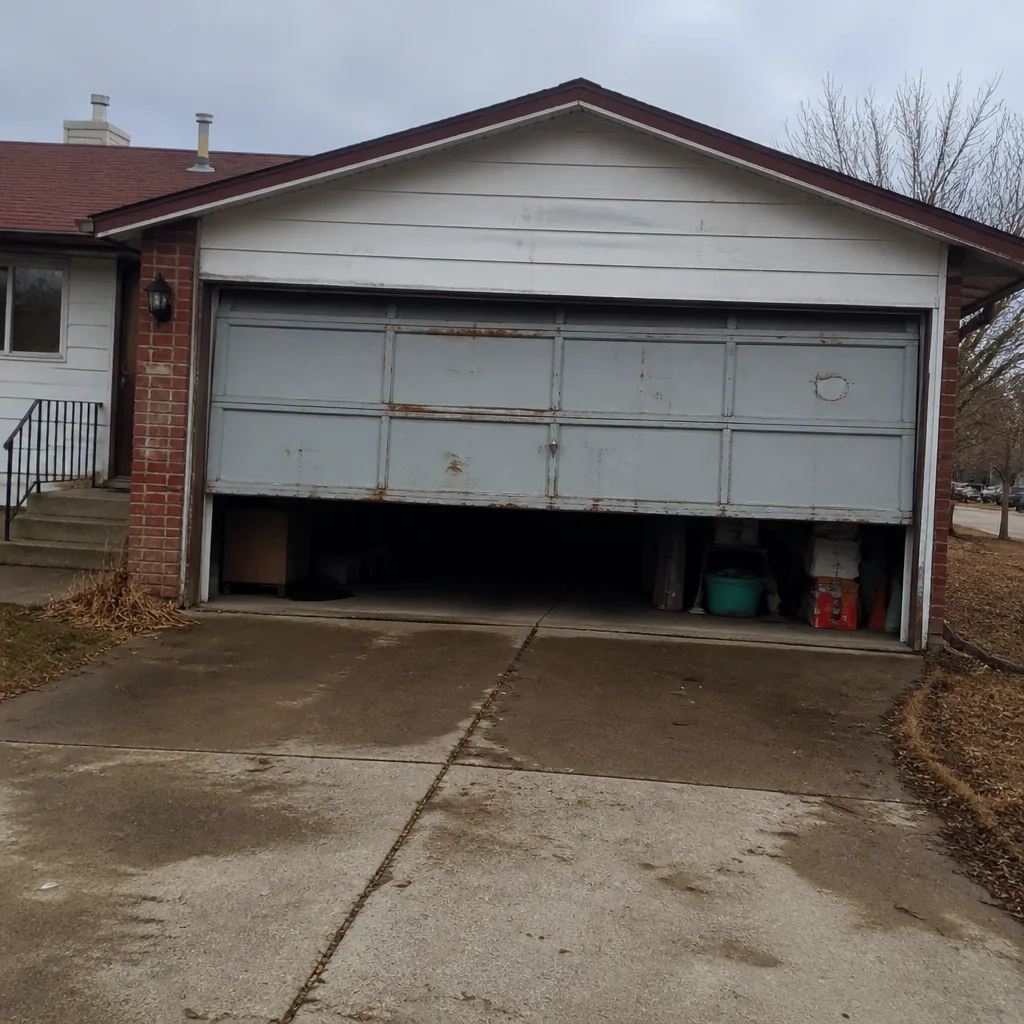
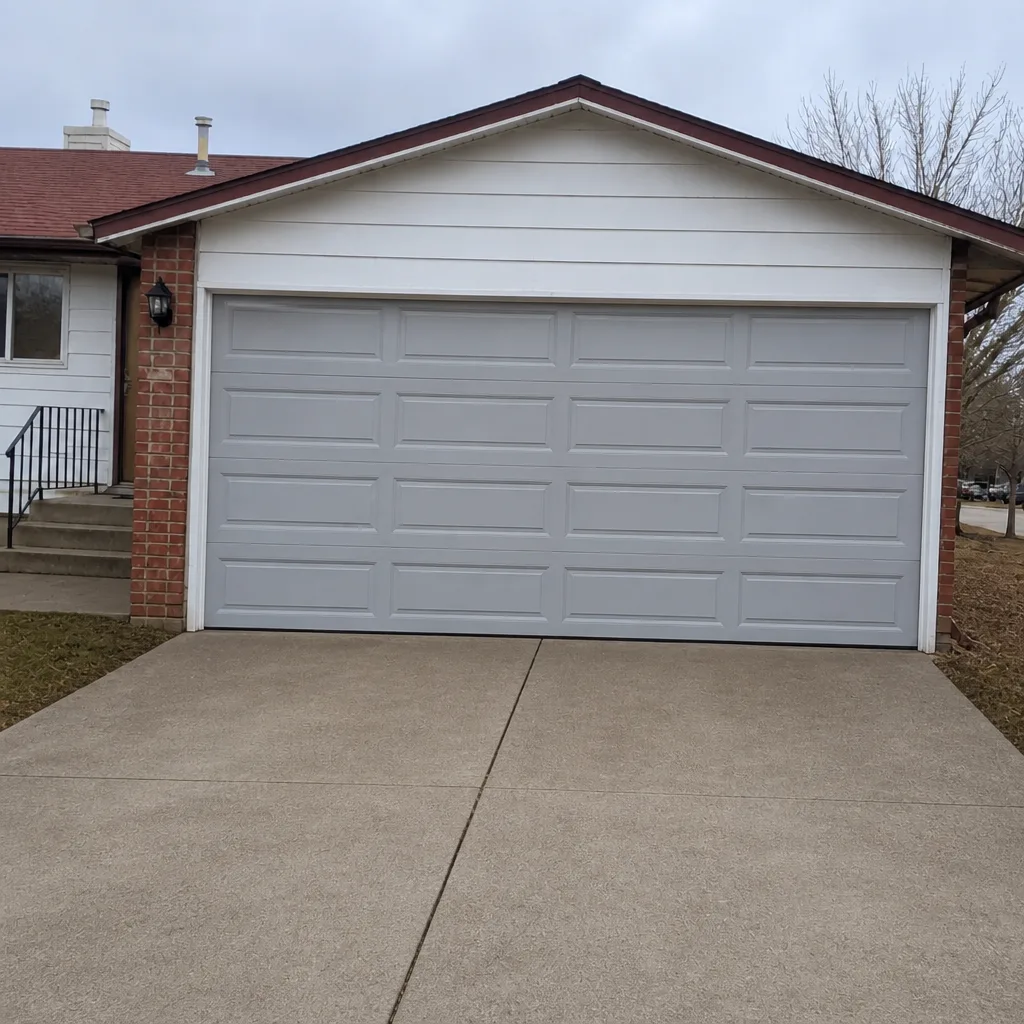
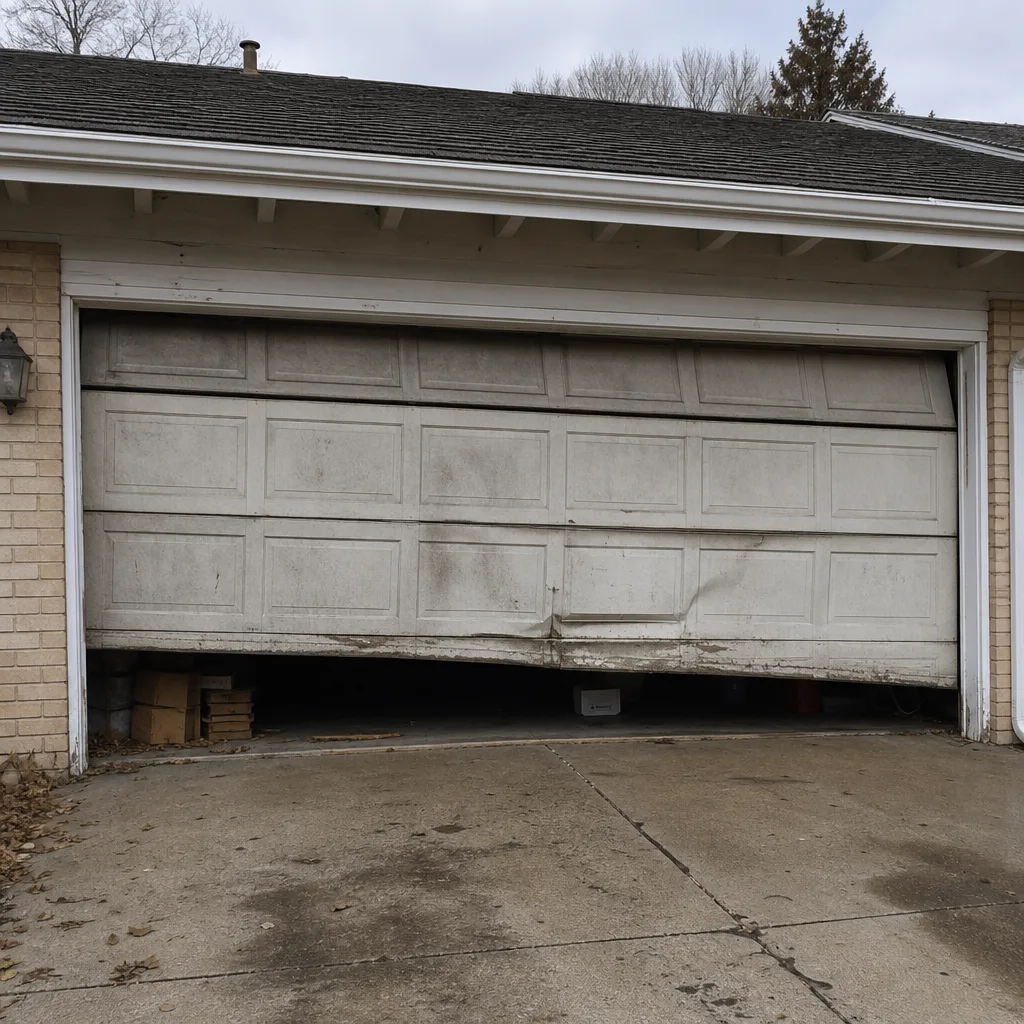
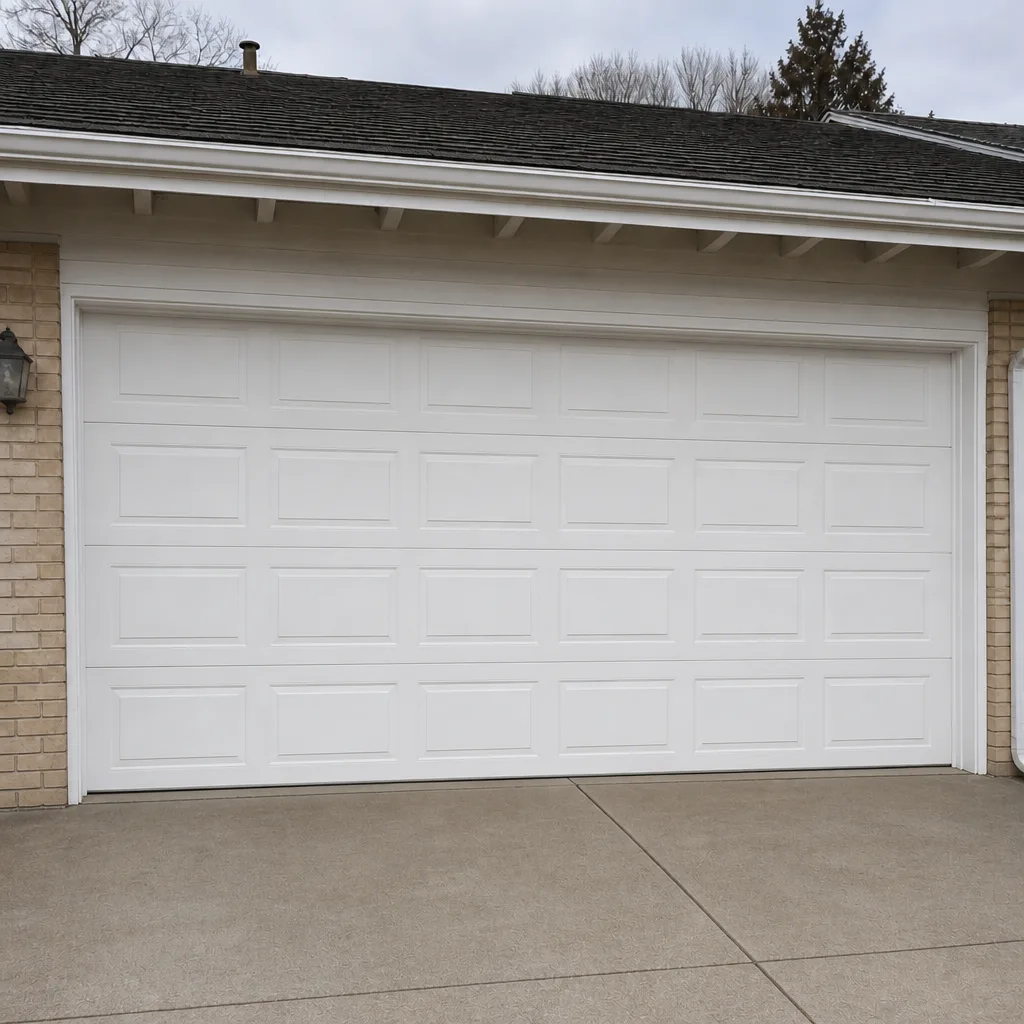
See the difference
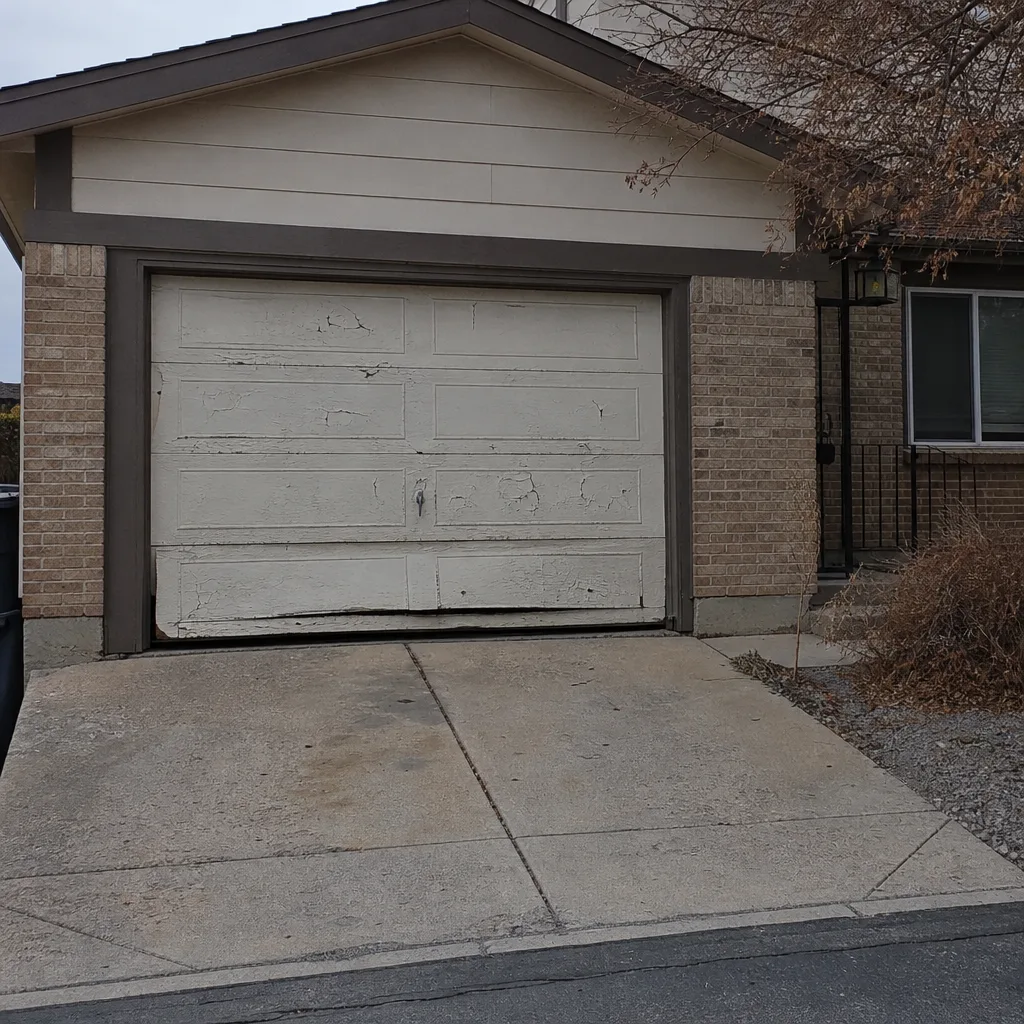 Before
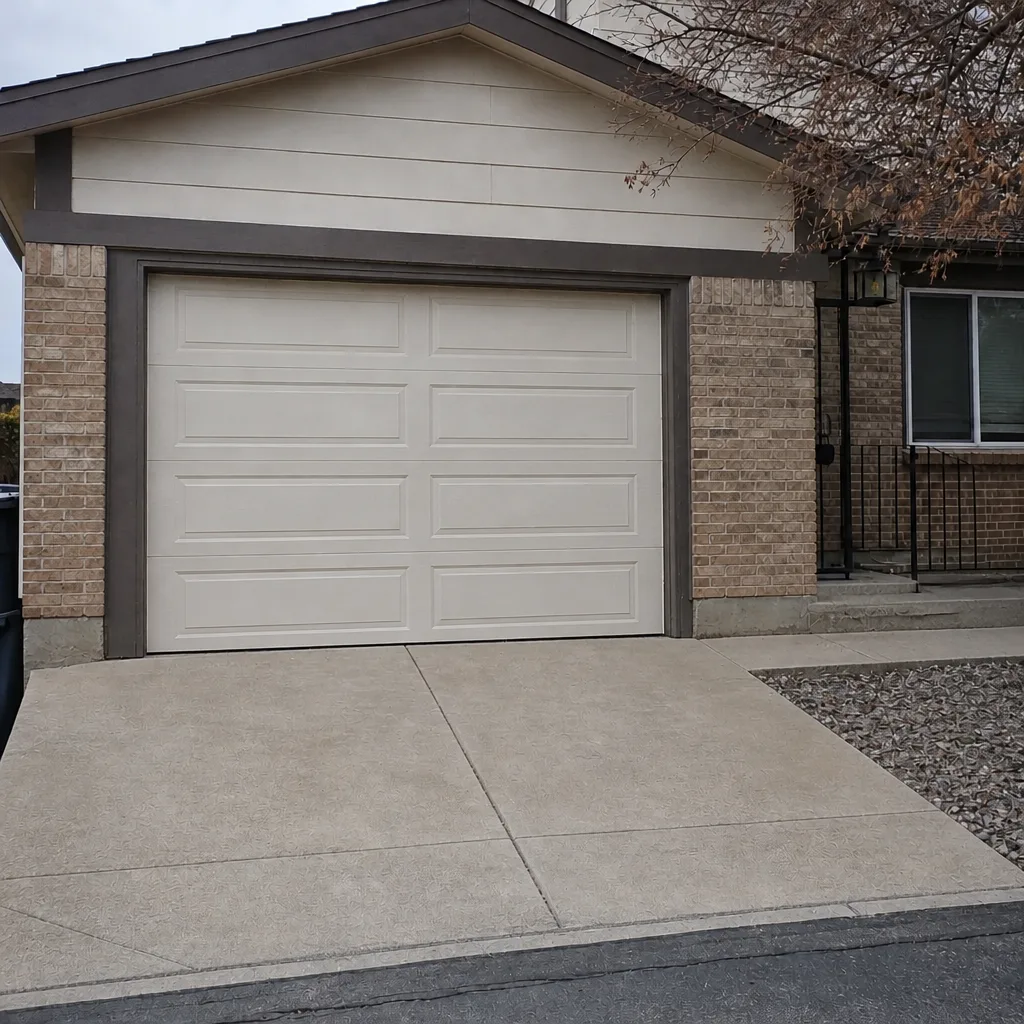 After
 Before
 After
 Before
 After
When to Call a Professional
The rule of thumb is simple: if a spring, cable, or a door that won’t stay balanced is involved, call us. Any repair where the door has come off its track, any opener that needs wiring, and any damage from a bump or a hard stop also belong on the pro list. These are the jobs where the physics make DIY genuinely unsafe, and where the cost of a failed attempt tends to exceed the cost of the job. Westminster Garage Door Repair Co offers free estimates in Westminster. Call (888) 845-7027 and we’ll tell you plainly whether your task is one you can handle or one we need to take. If it’s a garage door repair job, we’ll quote it clearly before anything starts, and the written price stands.
For a job we can take care of in the same visit, we carry parts for the major brands. We work on LiftMaster, Chamberlain, Genie, Clopay, Amarr, Wayne Dalton, Craftsman, and Raynor, so a Westminster homeowner rarely waits on a special order. And on spring repair, we’re deliberate. Spring repair done safely, correctly, and built to last is what we aim for.
Frequently Asked Questions
No. Torsion and extension springs store significant energy even when the door is still, and releasing one by hand has no safe margin for error. A trained technician uses proper winding bars and knows how to release the load in a controlled way. Call (888) 845-7027 for a quote on spring repair; estimates are free.
Yes. Programming a remote or keypad is a safe DIY task on most LiftMaster, Chamberlain, and Genie units. Press the learn button, then press your remote within a few seconds, and test it. If it won’t pair after a couple of tries, that’s a good moment to call for help.
If the DIY attempt left a failed spring, a bent track, or an opener issue, the professional repair is quoted per job, and a spring replacement usually runs $180 – $340 per spring. The written quote you receive sets the final price. Call us for a free estimate before the problem grows.
No. We quote the job in advance, before any work starts, and the written estimate is the price you pay. If we find something that changes the scope, we’ll tell you before doing the work, not after. Call (888) 845-7027 for an exact quote.
The local professionals we connect you with are licensed and insured as their state requires, so the work is covered before it starts. That matters most on the jobs where risk is highest, like spring and cable work. Call us with any questions about a specific job.
Often yes. Same-day service is available for repair and opener issues, with fast dispatch from 7am to 7pm. A door that’s stuck or has a snapped spring is exactly the kind of call we prioritize. Call (888) 845-7027 and we’ll get you scheduled.
The Bottom Line
The DIY versus pro question on a garage door comes down to what’s under tension. Remote programming, lubrication, and weatherstripping are worth your time and genuinely safe in a Westminster home. Springs, cables, track realignment, and internal opener wiring are not, because the risk doesn’t bend to skill. If you sort your task into the right tier before you start, you avoid both mistakes: overpaying for a job you could do, and taking on a job that can hurt you. When you land in the pro column, we’re here to help. Westminster Garage Door Repair Co connects Westminster homeowners with local professionals who know these doors and openers inside out, and every written quote is confirmed before work begins.
Contact Us
Ready to get your garage door sorted, or just want a straight answer on whether your job is DIY-friendly? Call Westminster Garage Door Repair Co at (888) 845-7027 for a free estimate. We serve Westminster homes with garage door opener repair, spring service, installation, and parts, and we answer the phone from 7am to 7pm. No guesswork, no learning curve. Just a clear plan and a price you agree to before we start.
Written by the team at Westminster Garage Door Repair Co.